
Cryptocurrencies that survive multiple market cycles usually combine scarcity, real utility, network effects, and institutional relevance.
Investors seeking multi-year exposure often prioritise these traits over short-term price action.
This article examines the digital assets best positioned for the 2026–2030 period and answers the questions long-term holders ask most frequently.
What Makes A Cryptocurrency Suitable For Long-Term Holding?
Strong long-term candidates demonstrate durable demand drivers rather than temporary hype.
Moreover, they maintain active development, growing real-world usage, and credible paths to broader adoption.
In addition, sufficient liquidity and regulatory clarity reduce existential risks over multi-year horizons.
Thus, assets that solve meaningful problems or serve as foundational infrastructure tend to outperform purely speculative tokens.
Therefore, evaluating utility, security, and network resilience remains essential before committing capital for five years or longer.
Which Cryptocurrencies Currently Show the Strongest Long-Term Fundamentals?
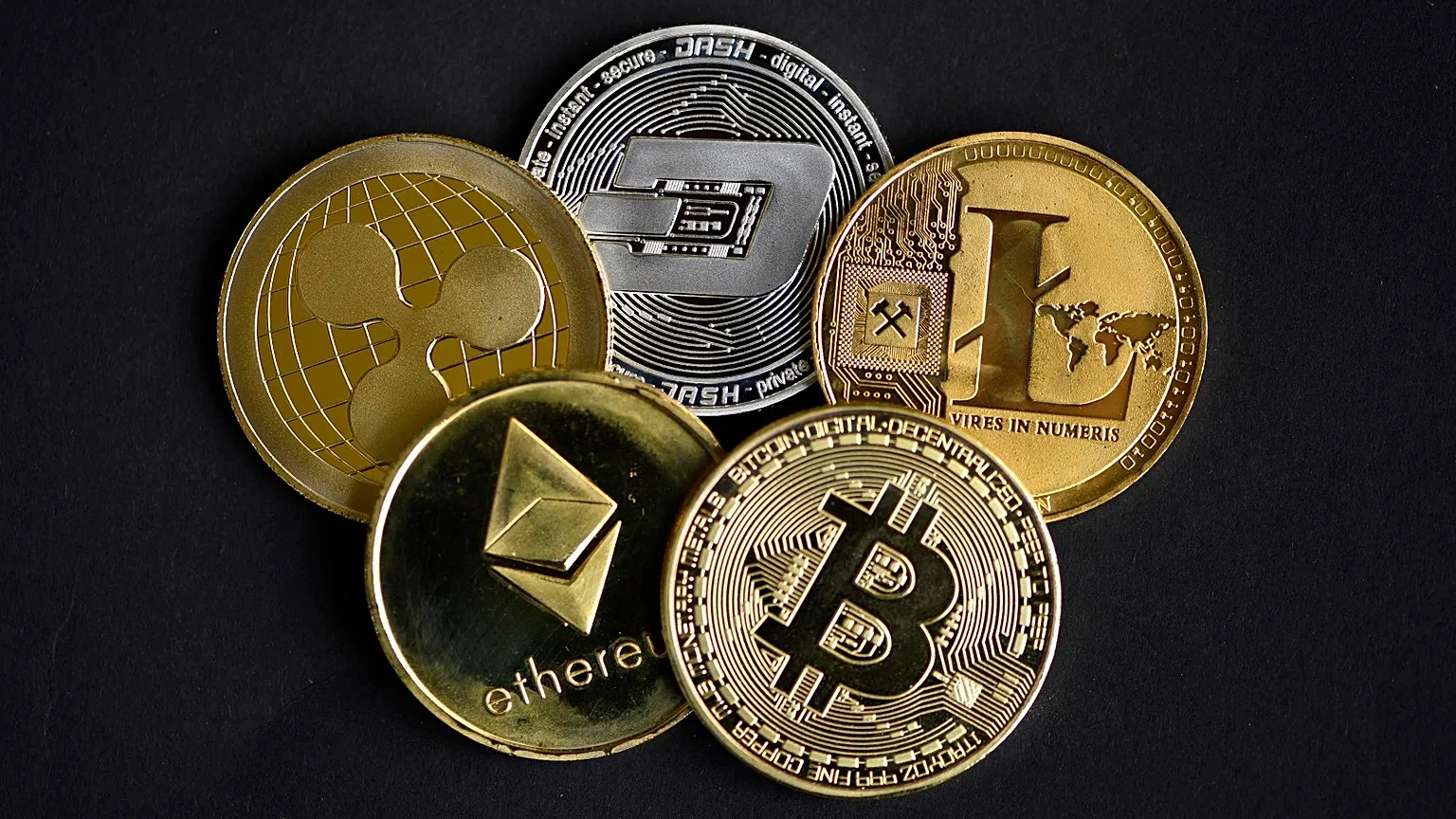
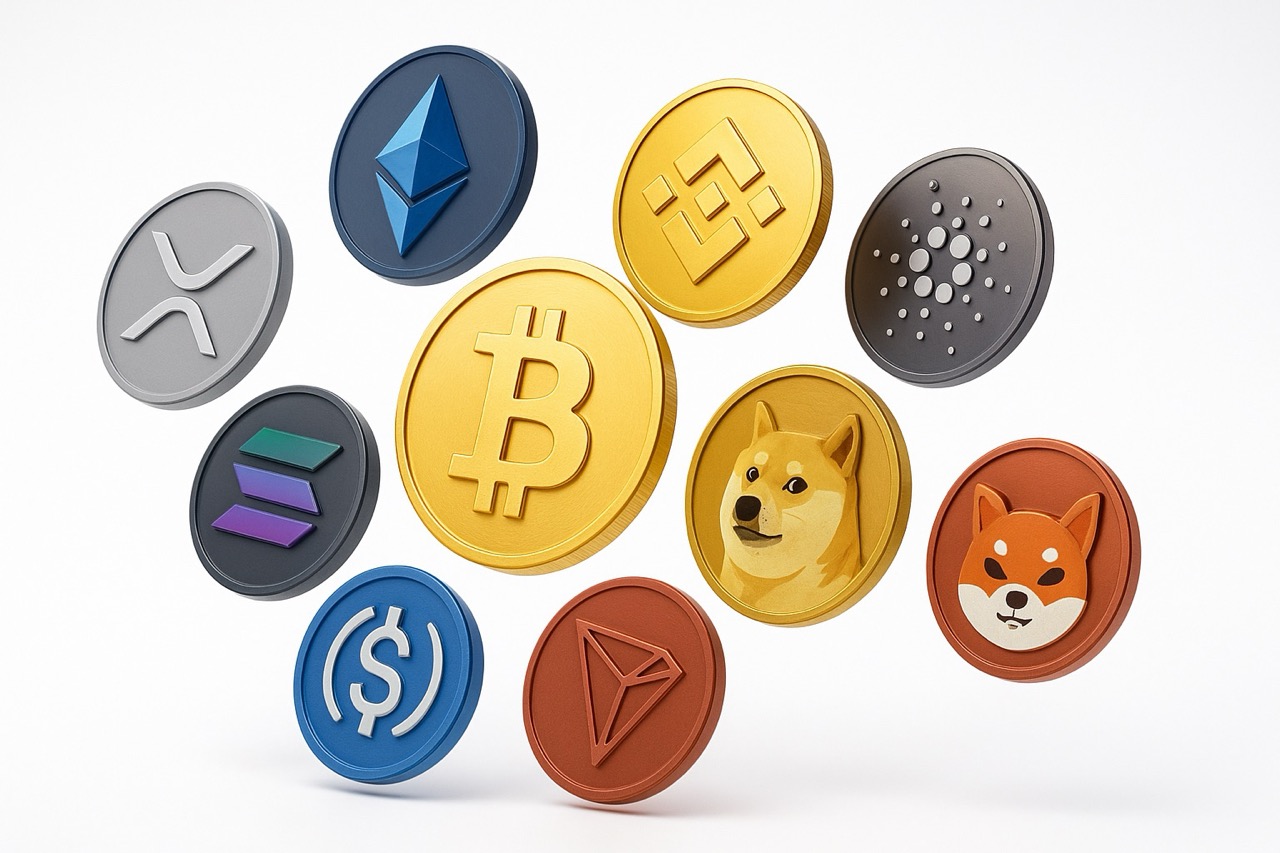
Bitcoin, Ethereum, and Solana currently lead in different but complementary categories.
Furthermore, BNB, XRP, and Chainlink add ecosystem, payments, and oracle infrastructure exposure.
In addition, select high-throughput and interoperability networks continue building relevant use cases.
As a result, a diversified selection across these categories offers broader coverage of the evolving digital asset landscape.
No single asset captures every growth vector, which is why thoughtful combinations often prove more resilient.
Is Bitcoin Still the Best Cryptocurrency for Long-Term Holding?
Bitcoin remains the clearest long-term store-of-value candidate within cryptocurrencies.
Moreover, its fixed supply, unmatched brand recognition, and expanding institutional access through exchange-traded funds (ETFs) reinforce its position.
In addition, Bitcoin continues to attract capital during periods of monetary uncertainty.
Thus, many long-term portfolios treat it as the foundational holding. Therefore, Bitcoin still occupies the top rank for investors prioritising scarcity and relative stability within the asset class.
Should Ethereum Remain A Core Long-Term Holding?
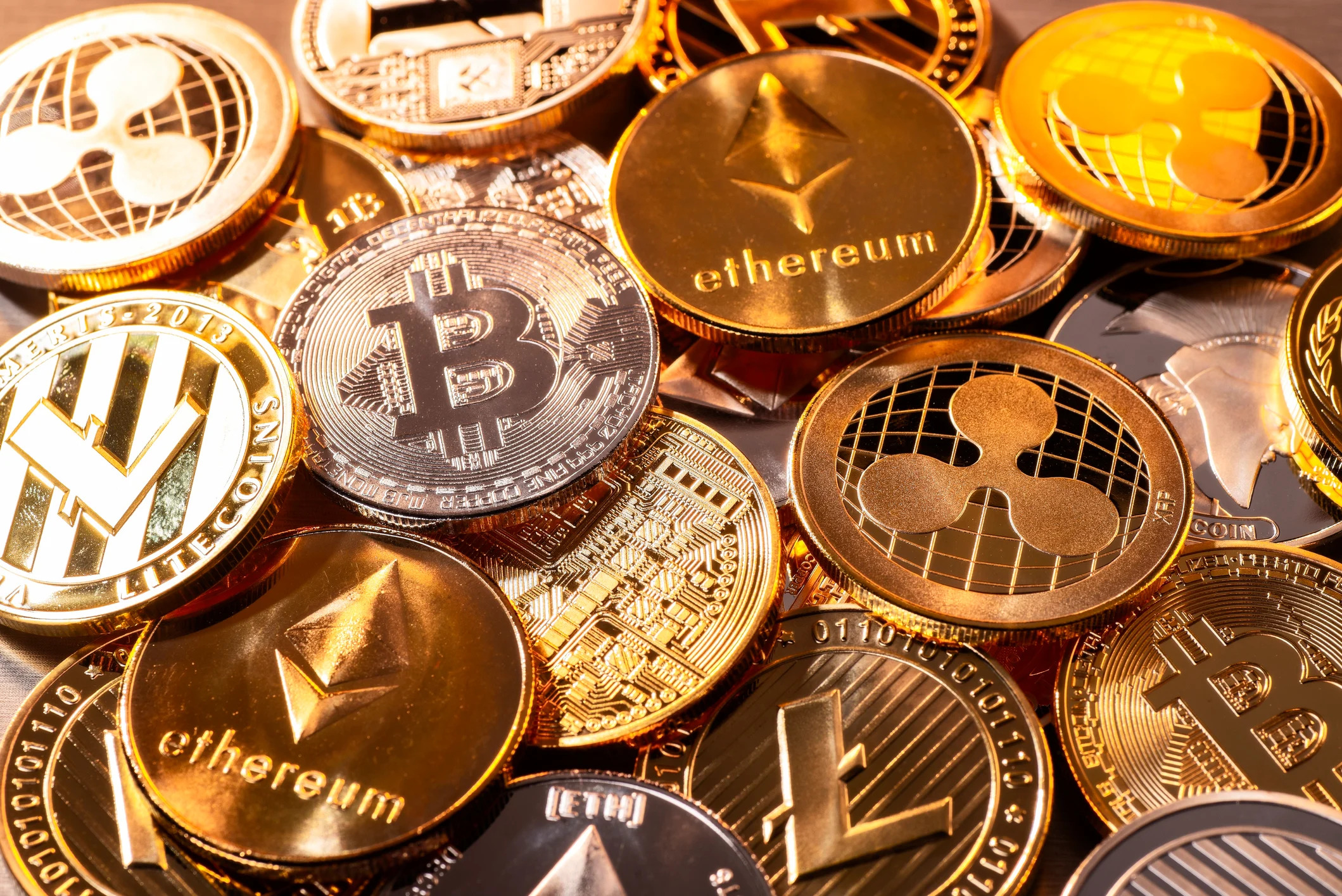
Ethereum continues to function as the primary settlement and smart-contract platform for decentralised finance (DeFi), tokenisation, and institutional applications.
Furthermore, ongoing upgrades aim to improve scalability and efficiency while preserving security.
In addition, its large developer base and established network effects create high switching costs for many applications.
As a result, Ethereum retains strong long-term relevance despite competition. Ultimately, it remains a core holding for investors seeking exposure to programmable blockchain infrastructure.
How Does Solana Fit Into A Long-Term Portfolio?
Solana delivers high throughput and low transaction costs that support consumer applications, DeFi, and emerging on-chain activity.
Moreover, continuous client improvements and growing institutional interest have strengthened its position since earlier network challenges.
In addition, its performance characteristics complement rather than fully replace Ethereum.
As a result, Solana offers meaningful upside for investors comfortable with higher volatility in exchange for growth potential.
Therefore, it frequently appears as a satellite long-term allocation alongside more established networks.
What Role Do Utility Tokens Like BNB And Chainlink Play?
BNB derives ongoing demand from the Binance ecosystem and BNB Chain activity, creating a direct link between platform usage and token utility.
Meanwhile, Chainlink provides critical oracle infrastructure that connects blockchains to real-world data, an essential component for tokenized assets and advanced smart contracts.
Furthermore, both tokens benefit from concrete usage rather than pure speculation.
In addition, their roles in exchange services and data reliability support longer-term relevance.
As a result, selective exposure to high-utility infrastructure tokens can enhance portfolio diversification.
Are Payment-Focused Cryptocurrencies like XRP Good Long-Term Holds?
XRP focuses on efficient cross-border value transfer and has gained clearer regulatory pathways in recent years.
Moreover, institutional partnerships and payment corridor development continue to support its use case.
In addition, improved legal clarity has reduced one of its historical overhangs.
Consequently, XRP appeals to investors who believe blockchain will capture a larger share of global payments.
Therefore, it can serve as a targeted long-term holding for those aligned with the payments narrative, provided position sizes reflect its distinct risk profile.
What Are the Biggest Risks of Long-Term Cryptocurrency Holding?
Volatility remains the most immediate challenge, as even leading assets can experience deep drawdowns lasting months or years.
Furthermore, regulatory changes, technological disruption, and shifts in competitive dynamics can alter long-term trajectories.
In addition, opportunity cost and custody risks require ongoing attention. As a result, long-term holders must prepare for extended periods of underperformance.
Ultimately, only capital that can remain invested through multiple cycles belongs in these positions.
How Should Investors Approach Allocation for the 2026–2030 Period?
A common approach begins with larger weights in Bitcoin and Ethereum, then adds measured exposure to high-conviction growth assets such as Solana and select utility tokens.
Moreover, regular rebalancing and clear position-size limits help manage risk. In addition, dollar-cost averaging reduces the impact of entering at unfavourable prices.
Consequently, process discipline often matters more than perfect asset selection.
Therefore, investors who define their time horizon and risk tolerance in advance tend to achieve more consistent outcomes.
Which Cryptocurrencies Offer the Best Risk-Adjusted Long-Term Potential?
Bitcoin and Ethereum currently provide the strongest combination of scale, liquidity, and institutional acceptance.
Furthermore, Solana, BNB, XRP, and Chainlink offer differentiated growth vectors that can enhance overall returns when sized appropriately.
In addition, maintaining a core-satellite structure allows investors to capture upside while limiting drawdown severity.
As a result, portfolios built around proven network effects and clear utility generally demonstrate better resilience across market cycles.
Ultimately, long-term success depends more on thoughtful construction and patience than on identifying a single winning asset.
Cryptocurrencies suitable for multi-year holding prioritise enduring demand over temporary narratives.
Bitcoin anchors most serious long-term portfolios, while Ethereum, Solana, and select infrastructure tokens provide complementary exposure to smart contracts, high-performance applications, and real-world connectivity.
Investors who focus on fundamentals, manage position sizes carefully, and maintain discipline through volatility position themselves more effectively for the 2026–2030 period.
Continuous research and realistic expectations remain essential in this still-maturing asset class.
