


Crypto markets in 2026 move according to powerful narratives rather than isolated price action.
Investors and builders increasingly focus on themes that combine real usage, capital flows, and technological progress.
This article examines the ten most influential crypto narratives currently shaping attention, capital allocation, and development priorities.
What Are the Strongest Crypto Narratives in 2026?
Several themes dominate discussions and capital flows this year. Moreover, real-world asset tokenisation, artificial intelligence integration, stablecoin expansion, and on-chain derivatives stand out for their tangible traction.
In addition, institutional infrastructure and high-performance blockchains continue attracting significant interest.
Thus, understanding these narratives helps investors identify where attention and liquidity are concentrating.
Therefore, tracking narrative strength often provides clearer signals than short-term price movements alone.
Why Do Real-World Assets (RWA) and Tokenisation Matter So Much?
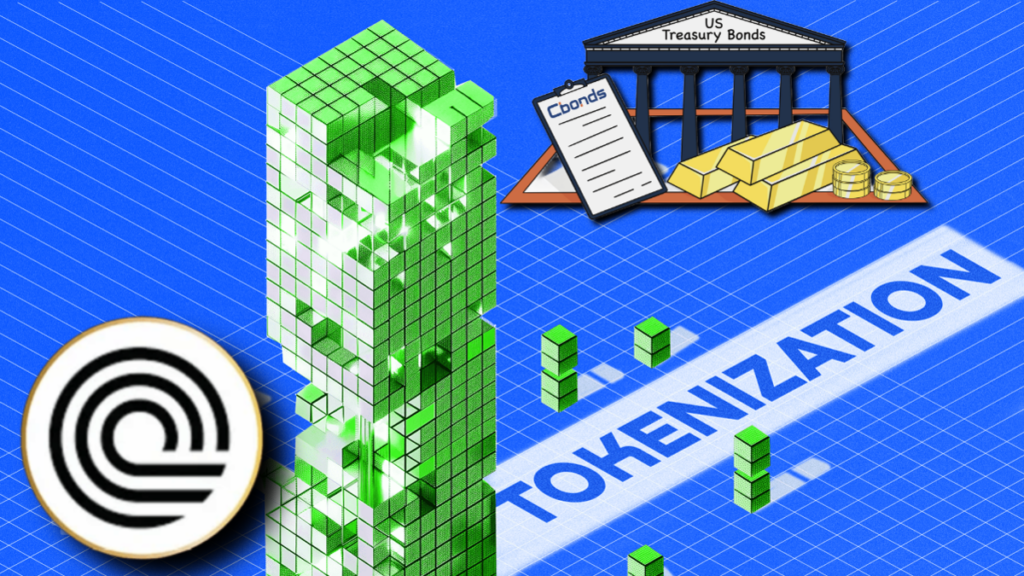
Tokenisation of real-world assets has moved from concept to measurable activity.
Furthermore, platforms now offer on-chain exposure to treasuries, funds, and other traditional instruments with improving regulatory clarity.
In addition, institutional participants value the transparency, settlement speed, and composability that blockchain infrastructure provides.
As a result, RWA has become one of the most credible bridges between traditional finance and crypto.
Ultimately, sustained growth in tokenised assets supports broader market legitimacy and new demand for underlying blockchain networks.
How Is AI x Crypto Influencing the Market?
The intersection of artificial intelligence and crypto continues generating both innovation and speculation.
Moreover, projects explore decentralised compute, AI agent economies, data marketplaces, and autonomous on-chain systems.
In addition, investors closely watch whether these applications deliver usable products or remain largely narrative-driven.
Consequently, AI x Crypto attracts capital during risk-on periods while facing higher scrutiny regarding real adoption.
Therefore, distinguishing genuine infrastructure progress from pure hype remains essential for long-term positioning.
What Role Do Stablecoins Play In 2026?
Stablecoins function as critical market infrastructure rather than speculative assets.
Furthermore, they facilitate trading, payments, savings, and settlement across both centralised and decentralised platforms.
In addition, regulatory developments and institutional issuance continue expanding their reach and credibility.
As a result, stablecoin growth often signals rising on-chain economic activity. Ultimately, their expanding utility strengthens the entire crypto ecosystem by improving capital efficiency and user experience.
Why Are Perpetual DEXs Gaining So Much Attention?
Decentralised perpetual futures exchanges have captured substantial trading volume and mindshare.
Moreover, platforms offering centralised-exchange-like performance with self-custody appeal to sophisticated traders.
In addition, competitive fee structures, deep liquidity, and innovative risk engines drive rapid user growth.
Consequently, Perp DEXs represent one of the clearest examples of crypto-native financial infrastructure achieving product-market fit.
Therefore, this narrative continues influencing both token valuations and broader DeFi development priorities.

How Important Is Institutional Adoption And ETF Infrastructure?
Spot Bitcoin and other crypto ETFs have permanently altered market structure.
Furthermore, traditional investors now access digital assets through familiar brokerage accounts, increasing both legitimacy and capital inflows.
In addition, custody solutions, compliance frameworks, and reporting standards continue maturing.
As a result, institutional participation provides a more stable demand base than purely retail-driven cycles.
Ultimately, this infrastructure narrative supports higher long-term market resilience even during periods of weaker speculative interest.
What Makes High-Performance Layer-1 Blockchains Relevant?
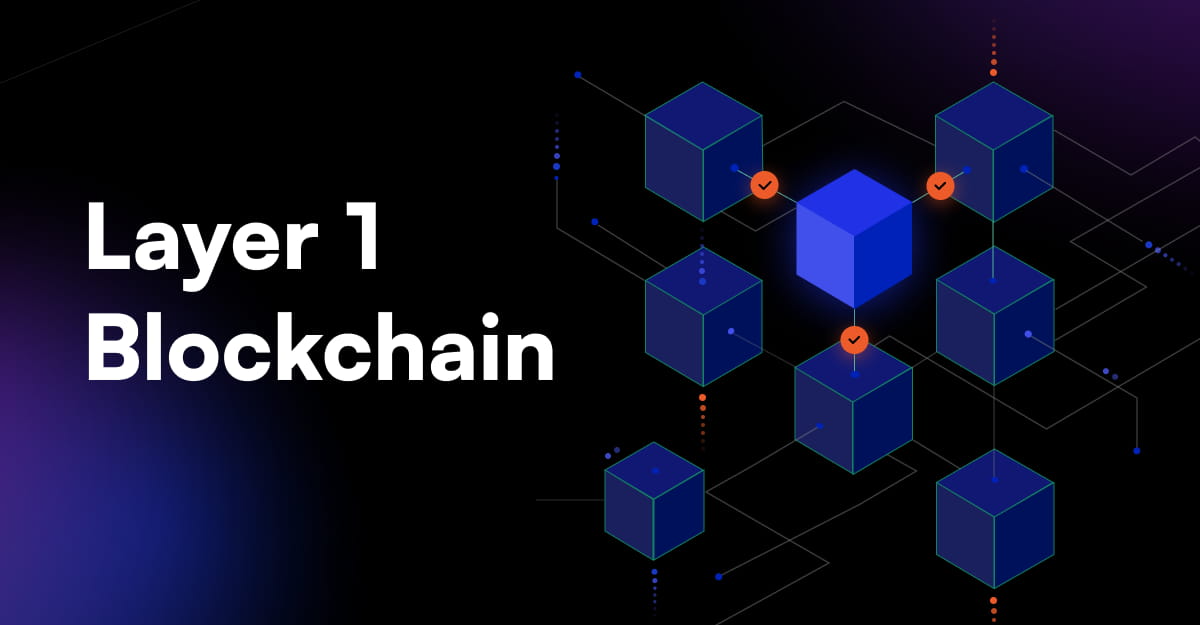
Networks optimised for speed and low costs continue attracting developers and users focused on consumer applications, trading, and high-frequency activity.
Moreover, improvements in client diversity, reliability, and developer tooling have strengthened their competitive positions.
In addition, these chains often serve as primary venues for experimentation with new financial primitives.
Thus, performance-focused blockchains maintain strong narrative momentum alongside more established settlement layers.
Therefore, they remain central to discussions about scalability and user experience.
How Are DeFi Lending And On-Chain Yield Evolving in the Crypto Market?
On-chain lending markets and yield opportunities continue adapting to changing rate environments and risk preferences.
Furthermore, protocols emphasise capital efficiency, better risk management, and integration with real-world collateral.
In addition, institutional-grade features increasingly appear in decentralized finance applications.
As a result, sustainable yield narratives attract participants seeking returns beyond simple token appreciation.
Ultimately, mature lending infrastructure supports broader capital formation within crypto.
Why Do Privacy And Zero-Knowledge (zK) Technologies Still Matter?
Privacy-preserving technologies and zero-knowledge proofs address growing concerns around surveillance, compliance, and selective disclosure.
Moreover, these tools enable new application designs that balance transparency with confidentiality.
In addition, regulatory pressure in some jurisdictions increases demand for compliant privacy solutions.
Thus, the privacy narrative retains strategic importance even when it attracts less short-term speculative attention.
Therefore, continued progress in this area strengthens crypto’s long-term value proposition.

What Emerging Narratives Deserve Closer Monitoring in the Crypto World?
Prediction markets, on-chain gaming economies, decentralised physical infrastructure, and advanced identity solutions continue developing in parallel with the larger themes.
Furthermore, each carries the potential to expand crypto’s addressable use cases.
In addition, capital often rotates into these areas when dominant narratives become crowded.
As a result, monitoring secondary themes helps investors anticipate the next wave of attention.
Ultimately, narrative leadership remains fluid and rewards ongoing research.
Crypto markets in 2026 respond strongly to narratives grounded in actual usage and capital flows.
Real-world asset tokenisation, AI integration, stablecoin expansion, perpetual decentralised exchanges, and institutional infrastructure currently exert the greatest influence.
Investors who understand these themes and evaluate them against measurable adoption metrics position themselves more effectively than those reacting solely to price.
Continuous assessment of narrative strength, competitive dynamics, and real economic activity remains essential for navigating the evolving landscape.
