

Investors frequently examine the top cryptocurrencies by market size and then ask a more practical question: which of these assets carry lower risk and which expose holders to greater uncertainty.
Relative safety depends on liquidity, volatility history, regulatory clarity, real usage, and structural resilience.
This article compares the leading cryptocurrencies along those dimensions and addresses the questions investors raise most often.
What Does “Safest” Mean When Evaluating Cryptocurrencies?
Safety in cryptocurrencies never equals the security of traditional cash or government bonds.
Instead, it reflects comparatively lower volatility, deeper liquidity, stronger institutional acceptance, and reduced existential risk.
Moreover, assets with transparent operations, established custody options, and clear regulatory pathways generally rank higher on the safety scale.
In addition, longer track records under different market conditions improve confidence. Hence, relative safety remains a spectrum rather than an absolute category.
Which Assets Currently Rank Among the Safest In the Top 10?
Major stablecoins such as Tether (USDT) and Circle (USDC) occupy the lower-risk end because they target price stability rather than appreciation.
Furthermore, Bitcoin stands out among volatile cryptocurrencies due to its unmatched liquidity, institutional infrastructure, and status as the primary store-of-value asset.
Ethereum follows closely thanks to its large ecosystem, extensive developer activity, and growing set of regulated investment vehicles.
In turn, these three categories—regulated stablecoins, Bitcoin, and Ethereum—form the foundation of most risk-conscious portfolios.
Why Do Stablecoins Appear Safer than Other Cryptocurrencies?
Stablecoins maintain a design goal of holding steady value against a reference currency.
Moreover, leading versions publish reserve information and operate under increasing regulatory oversight.
In addition, their primary role as trading and settlement tools reduces dependence on speculative demand.
For this reason, they experience far smaller price swings than native blockchain tokens. That is why many investors treat high-quality stablecoins as cash equivalents within crypto portfolios rather than growth holdings.

How Does Bitcoin Compare On the Safety Spectrum?
Bitcoin offers the deepest liquidity and the broadest institutional access through spot ETFs and professional custody solutions.
Furthermore, its fixed supply schedule and first-mover brand recognition support long-term demand even during prolonged downturns.
In addition, the network has operated continuously for more than fifteen years across multiple cycles.
Accordingly, Bitcoin usually ranks as the least risky among major volatile cryptocurrencies. Still, it remains capable of large drawdowns, so position sizing stays critical.
Where Does Ethereum Stand Relative to Bitcoin?
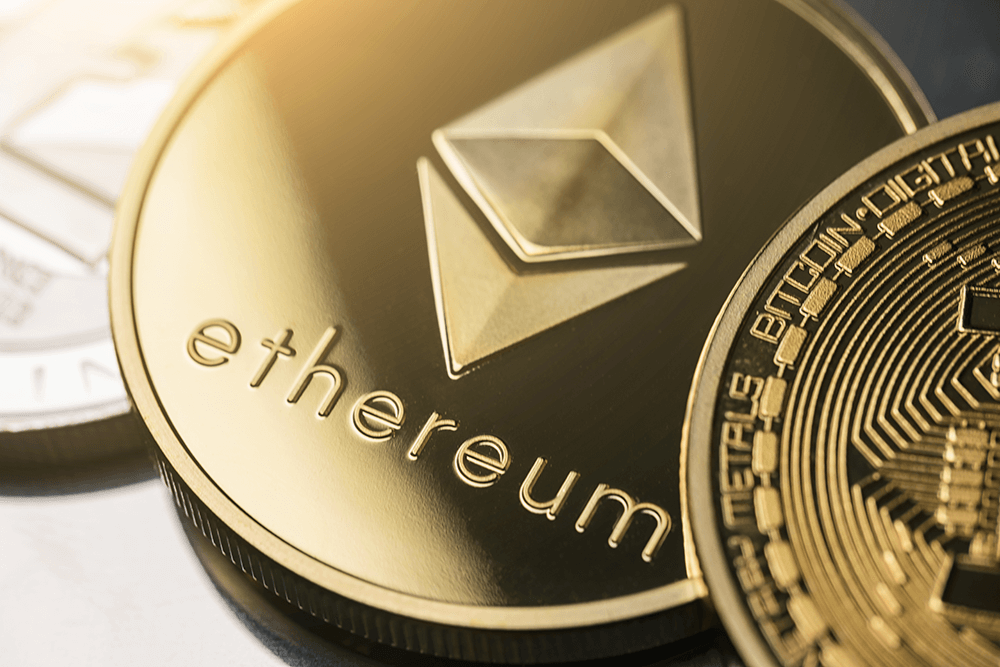
Ethereum introduces additional complexity through its smart-contract platform and evolving monetary policy.
Moreover, this complexity creates both greater utility and a wider set of potential risks compared with Bitcoin.
In addition, competition from other high-performance networks adds another variable. Thus, Ethereum typically carries moderately higher risk than Bitcoin while still benefiting from substantial network effects and institutional products.
For this reason, many portfolios hold both assets in different proportions according to risk tolerance.
Which Top-10 assets Fall Into the Medium-Risk Category?
Assets such as BNB, XRP, and Solana generally sit in the middle of the risk spectrum.
Moreover, each possesses meaningful real-world usage—exchange utility, payments focus, or high-throughput applications—yet each also faces distinct challenges.
In addition, their price volatility exceeds that of Bitcoin and Ethereum in most market environments.
Hence, these cryptocurrencies suit investors who accept higher fluctuations in exchange for differentiated exposure. Careful allocation limits help keep overall portfolio risk controlled.
What Makes Certain Top Cryptocurrencies Riskier than Others?
Newer or more specialised assets, along with those driven heavily by narrative or community sentiment, usually display higher volatility and thinner institutional support.
Furthermore, limited regulatory clarity, concentrated ownership, or dependence on a single use case can amplify downside moves.
In addition, rapid changes in competitive dynamics may erode earlier advantages. Because of this, assets that lack deep liquidity or long operational histories demand smaller position sizes.
That is why risk-aware investors treat them as satellite rather than core holdings.
How Should Investors Weigh Dogecoin And Similar High-Volatility Names?
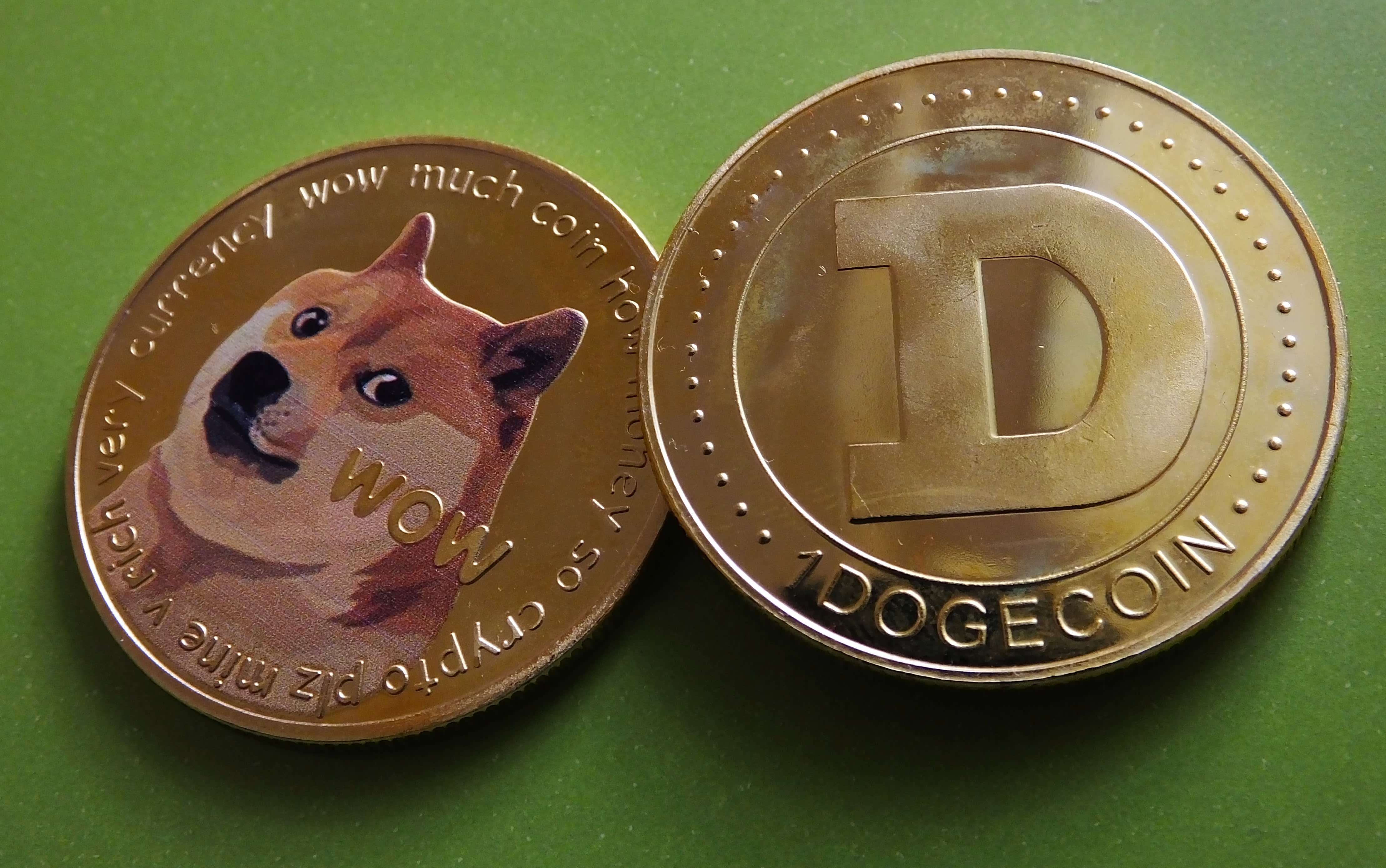
Community-driven cryptocurrencies can deliver sharp gains during favourable sentiment cycles. However, they also experience equally sharp reversals when attention shifts.
Moreover, their value propositions often rely more on cultural relevance than on cash-flow-generating utility.
In addition, institutional participation remains limited compared with larger networks.
Accordingly, these assets rank toward the higher-risk end of the top 10. Investors who include them generally do so with capital they can afford to see fluctuate dramatically.
What Practical Steps Help Manage Risk Across the Top Cryptocurrencies?
Diversification across different risk tiers reduces dependence on any single narrative.
Moreover, clear position-size rules prevent high-volatility assets from dominating overall results.
In addition, regular rebalancing and a long-term time horizon help investors avoid reactive decisions during sharp moves.
For this reason, many experienced participants maintain a core of lower-risk assets and add selective higher-risk exposure only within predefined limits.
That is why process often matters more than precise asset selection.
How Can Investors Apply these Distinctions In Portfolio Construction?
A common structure places the largest weights in stablecoins for liquidity, Bitcoin for core store-of-value exposure, and Ethereum for platform upside.
Furthermore, medium-risk assets receive moderate allocations that reflect their specific utility.
In addition, higher-risk names remain limited to small percentages of total capital. Hence, the finished portfolio balances stability with growth potential.
Ultimately, matching asset selection to personal risk tolerance and time horizon produces more sustainable outcomes than chasing the highest recent returns.
Relative safety among the top cryptocurrencies varies widely. Stablecoins, Bitcoin, and Ethereum currently offer the most resilient profiles for risk-conscious investors, while other leading assets introduce progressively higher volatility and uncertainty.
Those who classify holdings according to these differences and size positions accordingly navigate the market with greater discipline.
Ongoing evaluation of liquidity, usage, and regulatory developments remains essential as the landscape continues to evolve.
