


Hyperliquid has captured serious attention across crypto markets this year.
The platform runs a high-performance layer-1 blockchain built for on-chain perpetual futures and spot trading that feels closer to a centralised exchange than most decentralised venues.
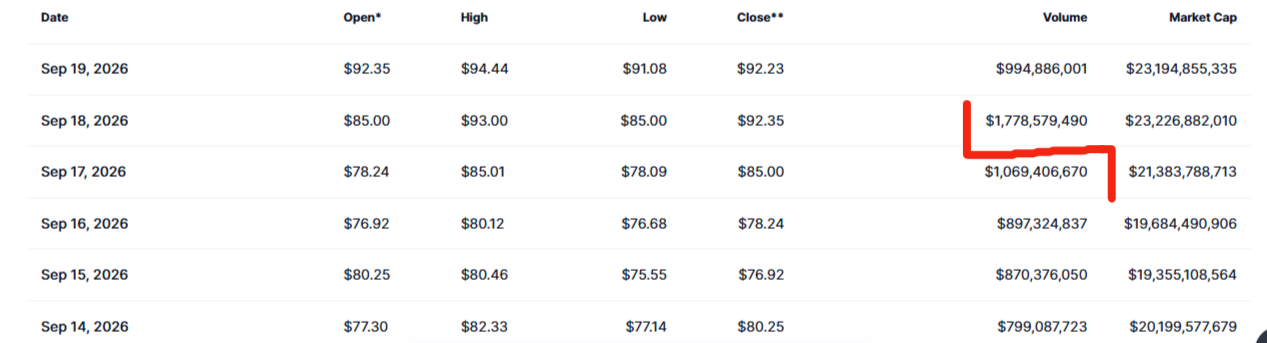
Its native token, HYPE, recently pushed past previous records, trading near the mid-$90s after reaching all-time highs around $92–$94 in mid-September 2026.
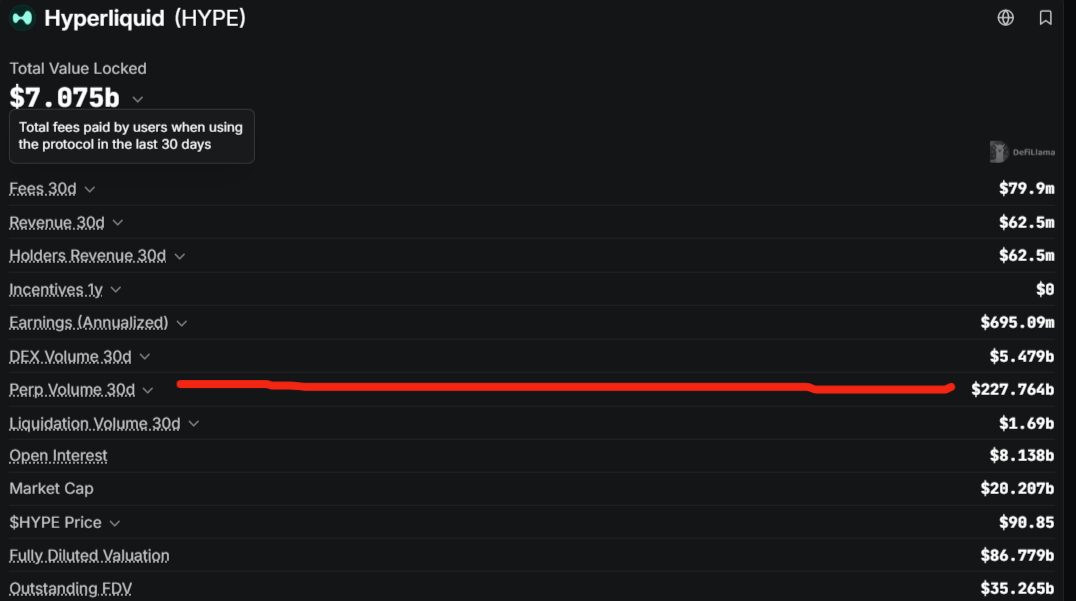
Market capitalisation has deepened into the larger territory sitting above $20 billion on circulating supply, while the fully diluted figure approaches the high $80 billions.
Analysts have begun floating targets near or above $100 as volume stays elevated and new features roll out.
In this piece, we examine the current strengths and weaknesses of Hyperliquid and the HYPE token heading into the final quarter of 2026.
We draw on the latest on-chain metrics, revenue mechanics, tokenomics, competitive positioning, and risk factors so readers can weigh the opportunity with clear eyes.
The goal of this article is to provide you with practical insight rather than hype.

What Makes Hyperliquid Stand Out Right Now?
Hyperliquid delivers an on-chain central limit order book with sub-second finality and zero gas fees for traders on its own L1.
Orders match and settle transparently. Liquidity in major pairs remains deep, and the platform has consistently ranked first or near the top in perpetual decentralised exchange (DEX) volume.
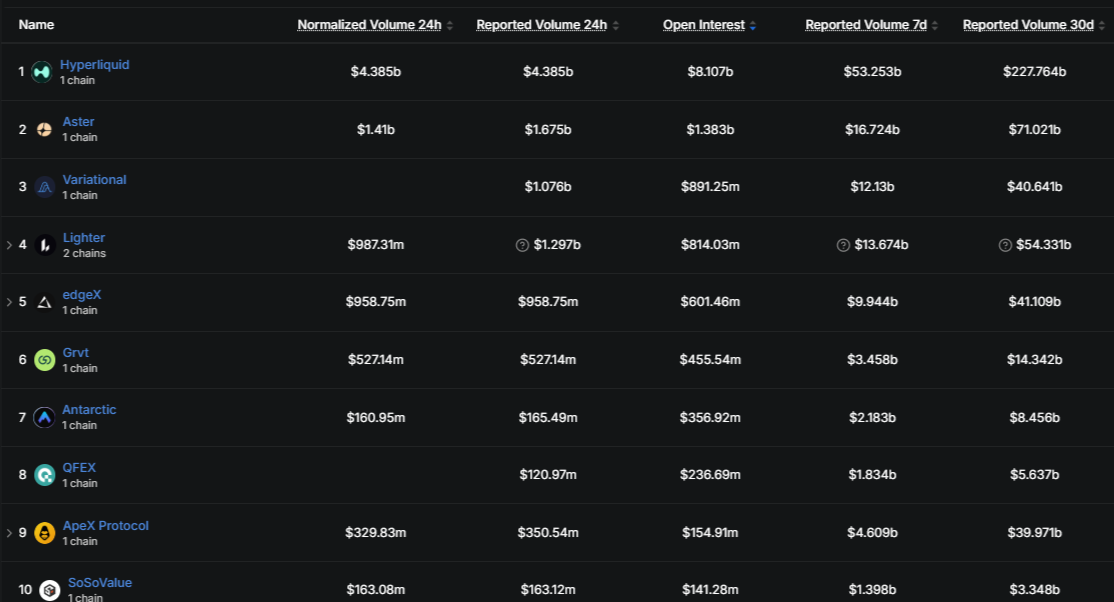
Recent 30-day perpetual volume figures have exceeded $220 billion in some aggregations, well ahead of many rivals.
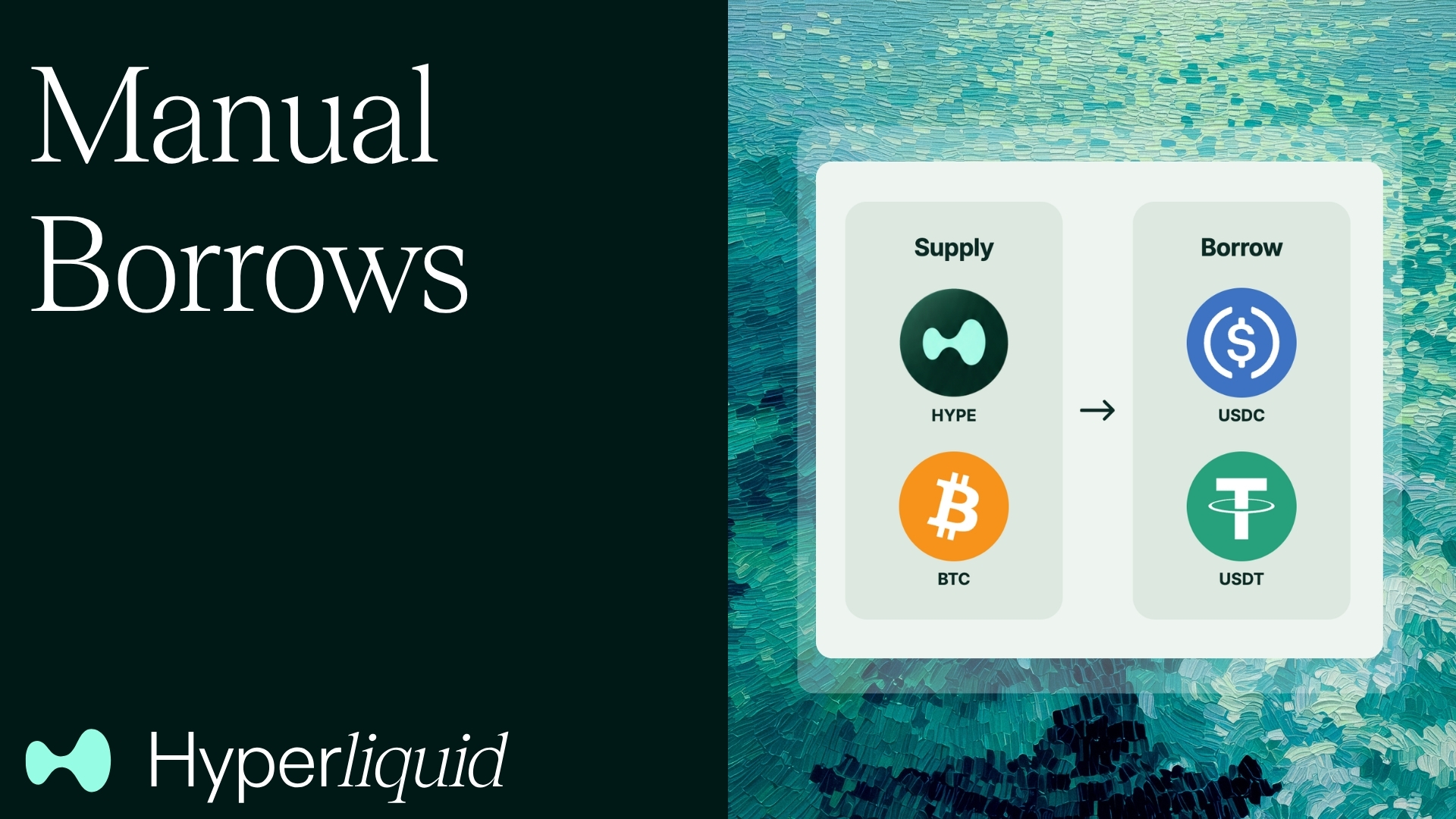
Meanwhile, the team continues expanding the product surface. Manual borrowing against HYPE and Bitcoin collateral launched recently, with hundreds of millions already supplied and borrowed.
HIP-3 permissionless market creation lets builders list new perpetual markets by staking HYPE, covering assets beyond pure crypto.
Prediction-market functionality has also arrived.
These additions broaden utility beyond pure derivatives trading and give the ecosystem more ways to generate fees.
At the same time, nearly all protocol revenue—reported in the high 90% range—flows into an Assistance Fund that buys HYPE on the open market and removes it from circulation.
Cumulative buybacks have already permanently retired tens of millions of tokens.
This creates a direct link between platform usage and token scarcity that many other projects lack.
Pros of Investing in Hyperliquid and Holding HYPE
Strong product-market fit sits at the centre of the bull case. Traders value speed, tight spreads, and self-custody without the usual decentralised finance (DeFi) friction.
Hyperliquid has held a large share of the decentralised perpetual market for extended periods, and that leadership has translated into substantial fee generation.
Moreover, the buyback mechanism turns that fee stream into continuous demand for HYPE. When trading activity remains elevated, the Assistance Fund removes tokens daily. Over trailing twelve-month windows, hundreds of millions of dollars have moved into buybacks. This structural bid can support price during periods of broader market weakness and rewards long-term holders as supply contracts.
In addition, the token itself carries multiple utilities. Staking secures the HyperBFT consensus and earns rewards. Holding or staking can unlock fee discounts. Governance rights and the ability to stake for new market creation under HIP-3 further tie the token to ecosystem growth. Circulating supply still represents a minority of the one-billion maximum, so successful expansion can amplify the impact of each burned token.
Furthermore institutional interest has grown. Spot ETFs and related products linked to HYPE have launched on major exchanges, giving traditional investors regulated access.
Corporate treasury vehicles have also accumulated meaningful positions. These channels widen the potential buyer base beyond pure crypto-native traders.
Notably, technical momentum remains constructive after the recent breakout. Analysts tracking chart patterns have identified continuation setups with measured targets near $100.5, provided key support levels hold.
High 24-hour volumes (two days of $1 billion each) and a day’s volume of approximately $1.8 billion—confirm active participation rather than thin speculation.
Cons and Risks Investors Must Weigh
Token unlocks introduce ongoing supply pressure. Core contributor allocations continue vesting on a monthly cadence measured in millions of HYPE.
Although historical data shows that only a small fraction of unlocked tokens immediately reach exchanges, the absolute size of scheduled releases remains large relative to daily volume.
Markets can still react to these events even when actual selling stays limited.
At the same time, validator concentration draws criticism. The active set remains relatively small compared with major proof-of-stake (PoS) networks.
A handful of entities, including foundation-linked validators, control a sizeable portion of stake. This design prioritises performance, yet leaves the network more exposed to coordinated decisions or operational issues than fully decentralised alternatives.
Besides, product concentration remains high. The overwhelming majority of fees still comes from perpetual futures trading.
Any sustained drop in derivatives volume—whether from regulatory pressure, competitive fee wars, or a prolonged risk-off environment—would reduce the buyback intensity that currently supports the token.
On the regulatory front, access restrictions already exist for users in certain jurisdictions. Perpetual futures face different rules across regions, and future enforcement actions could limit growth or force product changes.
Competitors continue launching incentive-heavy rivals and hybrid models that chip away at market share in specific segments.
Finally, valuation on a fully diluted basis sits at elevated multiples relative to current earnings.
Bullish price targets near $100 assume continued share gains and sustained high multiples.
A normalisation of growth or fee compression could leave the token more vulnerable to downside.
How Does Hyperliquid Compare to Other Perp DEX Platforms in 2026?
Hyperliquid still leads most volume and revenue rankings among pure decentralised perpetual venues.
Its order-book model and custom L1 deliver execution quality that many pooled-liquidity or L2-based competitors struggle to match.
Fee structures remain competitive for active traders, and the transparent on-chain data set attracts sophisticated participants and builders.
Yet, rivals have closed some gaps. Incentive programs, lower fees in certain markets, and specialised features have allowed platforms such as Aster, Lighter, and others to capture temporary volume spikes.
Hyperliquid’s advantage rests on depth, reliability, and the expanding product suite rather than pure cost leadership alone.
Is HYPE Still a Millionaire-Maker Token Heading into Q4 2026?
Early holders who received the 2024 airdrop or bought at much lower levels have already seen substantial multiples.
At current prices near $90–$94, new capital faces a different equation. Reaching $100 would represent a meaningful but not transformative further gain from here.
Larger upside scenarios require continued dominance in perpetual volume, successful expansion into lending, prediction markets, and real-world asset perps, plus the buyback engine remaining robust while unlocks are absorbed.
In the meantime, the combination of high fee capture, aggressive token removal, and product momentum keeps the asymmetric case alive for investors with a multi-year horizon and high risk tolerance.
Shorter-term traders must respect the elevated absolute valuation and the potential for sharp corrections if volume cools or unlocks coincide with broader market stress.
Frequently Asked Questions About Hyperliquid and HYPE
What is the current circulating supply and fully diluted valuation of HYPE?
Circulating supply sits in the low-to-mid 200-million range depending on exact daily measurement, while the maximum supply is capped near one billion.
Fully diluted valuation therefore runs several times higher than circulating market cap, currently in the high $80 billions.
How does the HYPE buyback mechanism actually work?
Roughly 97–99% of eligible protocol fees flow to the Assistance Fund, which continuously purchases HYPE on the open market and permanently removes those tokens from circulation. The pace of removal scales directly with trading activity.
Does Hyperliquid face significant competition?
Yes, other perpetual DEXs and hybrid venues continue competing on fees, incentives, and niche features.
Hyperliquid’s lead remains wide on aggregate volume and liquidity depth, yet share can shift quickly during incentive seasons or product launches.

What are the main risks of holding HYPE into Q4 2026 and beyond?
Scheduled unlocks, validator concentration, heavy reliance on perpetual trading fees, regulatory uncertainty around derivatives, and the possibility of growth deceleration all rank as material considerations.
Can HYPE realistically reach $100 in the near term?
Technical analysts have published targets near $100.5 following the recent breakout pattern.
Realisation depends on sustained volume, successful absorption of unlocks, and continued positive market sentiment.
As a result, no outcome is guaranteed considering HYPE still operates within a highly volatile and competitive environment.
Final Thoughts for Prospective Investors
Hyperliquid has evolved from a promising perpetual DEX into a broader on-chain trading and financial infrastructure play.
The combination of centralised exchange (CEX)-like performance, transparent settlement, aggressive revenue sharing through buybacks, and expanding product capabilities creates a compelling fundamental story.
At the same time, elevated valuation, ongoing supply releases, and structural centralisation trade-offs demand careful position sizing and ongoing monitoring.
Investors who understand the product, track on-chain fee and volume metrics, and maintain a realistic view of both the upside and the risks stand in the best position to evaluate whether HYPE still offers attractive risk-reward in the months ahead.
We have been covering HYPE for a long time and believe it is one of the cryptocurrencies you can consider adding to your investment portfolio.
