


Russia’s Central Bank has drawn a clear line under informal crypto trading.
Starting July 1, 2027, ordinary citizens will no longer buy or sell digital assets directly with one another.
Every deal must instead pass through licensed intermediaries that the regulator already oversees.

What Exactly Changes for Everyday Crypto Trading in Russia?
Peer-to-peer (P2P) swaps between private individuals stay legal only through the end of June 2027.
After that date, the Bank of Russia removes them from the list of permitted operations under Federal Law 282-FZ, the statute President Vladimir Putin signed in August 2026.
Residents must then route purchases and sales through brokers, exchanges, asset managers or digital depositories that appear on the Central Bank’s official registry.
That list already holds twelve names, among them state giants Sberbank and VTB.
Retail buyers face an annual cap of 300,000 rubles (about $3,690) through each intermediary once they pass a basic knowledge test.
How Will the New Rules Shape Daily Crypto Trading Habits?
People who once matched offers on messaging apps or informal platforms will need to open accounts with regulated firms.
Transfers from those accounts into personal non-custodial wallets are also barred, locking assets inside the supervised system.
Domestic payments in crypto remain forbidden, yet cross-border settlements stay open.
In practice, the change funnels most retail activity onto a handful of state-aligned platforms and gives the Central Bank a clearer view of flows.
Some traders may try to dress sales up as gifts or debt repayments, yet the official guidance leaves little room for such work-arounds once the deadline arrives.
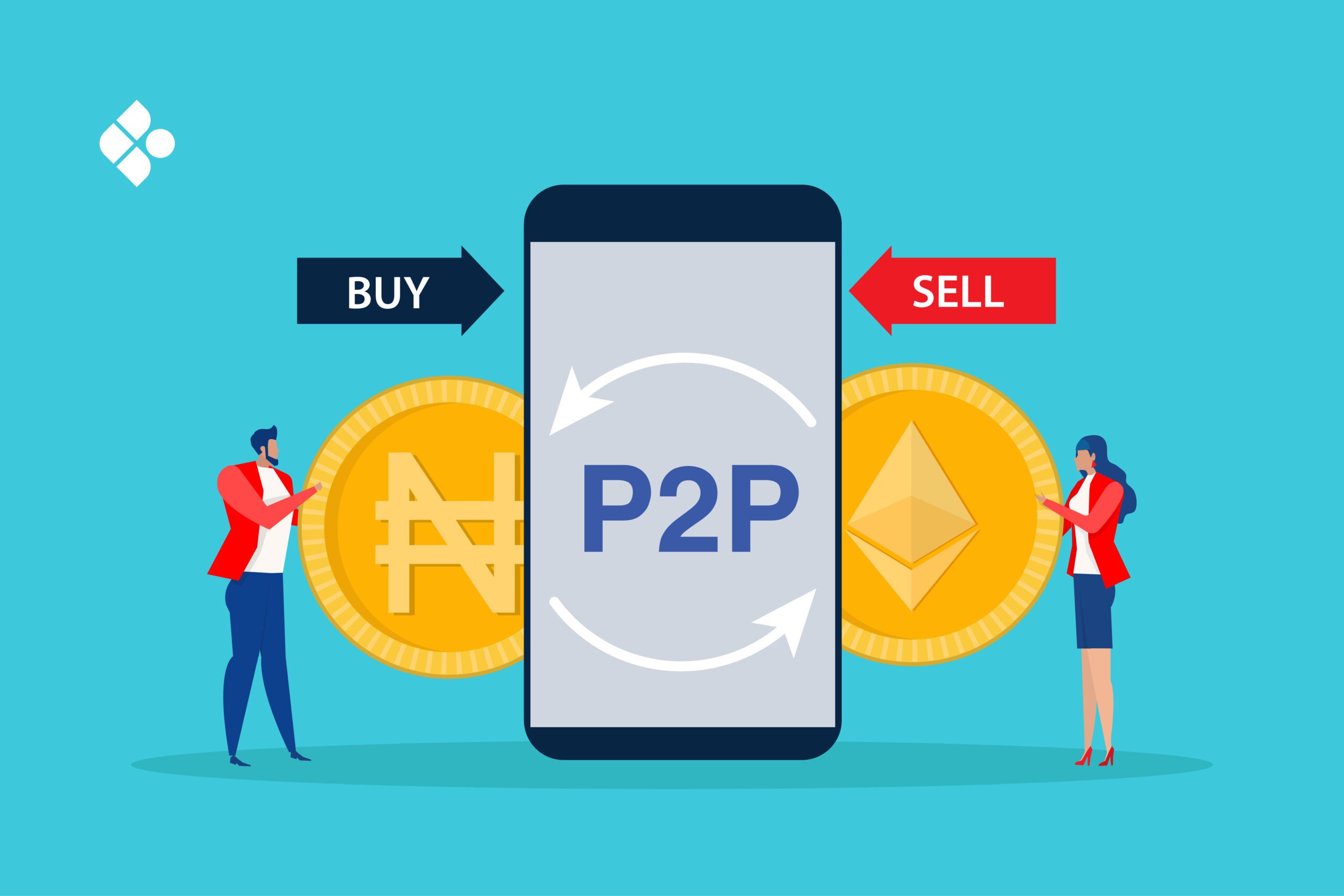
Will Other Countries Copy Russia’s Approach?
Several governments already tighten oversight of informal markets, though none has set a hard sunset date quite like Moscow’s.
China’s long-standing ban on domestic crypto trading pushed activity offshore years ago.
India still debates whether to tax or restrict peer-to-peer (P2P) platforms. The European Union’s MiCA framework prefers licensing over outright prohibition.
Russia’s move therefore stands out for its combination of a firm cutoff, strict intermediary requirements and purchase limits.
Whether others follow depends on how successfully the Central Bank channels volume into its registry without driving users underground or abroad.
For now, the Russian experiment offers a live test of whether tightly supervised crypto trading can satisfy both consumer demand and state control.
In the months ahead, licensed operators will race to finish their applications while everyday users decide how much of their crypto trading they are willing to bring onto official rails.
For now, the clock is already ticking toward July 2027.
