

Cryptocurrencies continue to attract significant attention from both retail and institutional investors.
Market conditions in mid-2026 show a mix of established leaders and emerging high-activity networks.
This article examines the current top digital assets and answers the questions investors ask most frequently when deciding where to allocate capital.
What Are the Top 10 Cryptocurrencies by Market Cap Right Now?
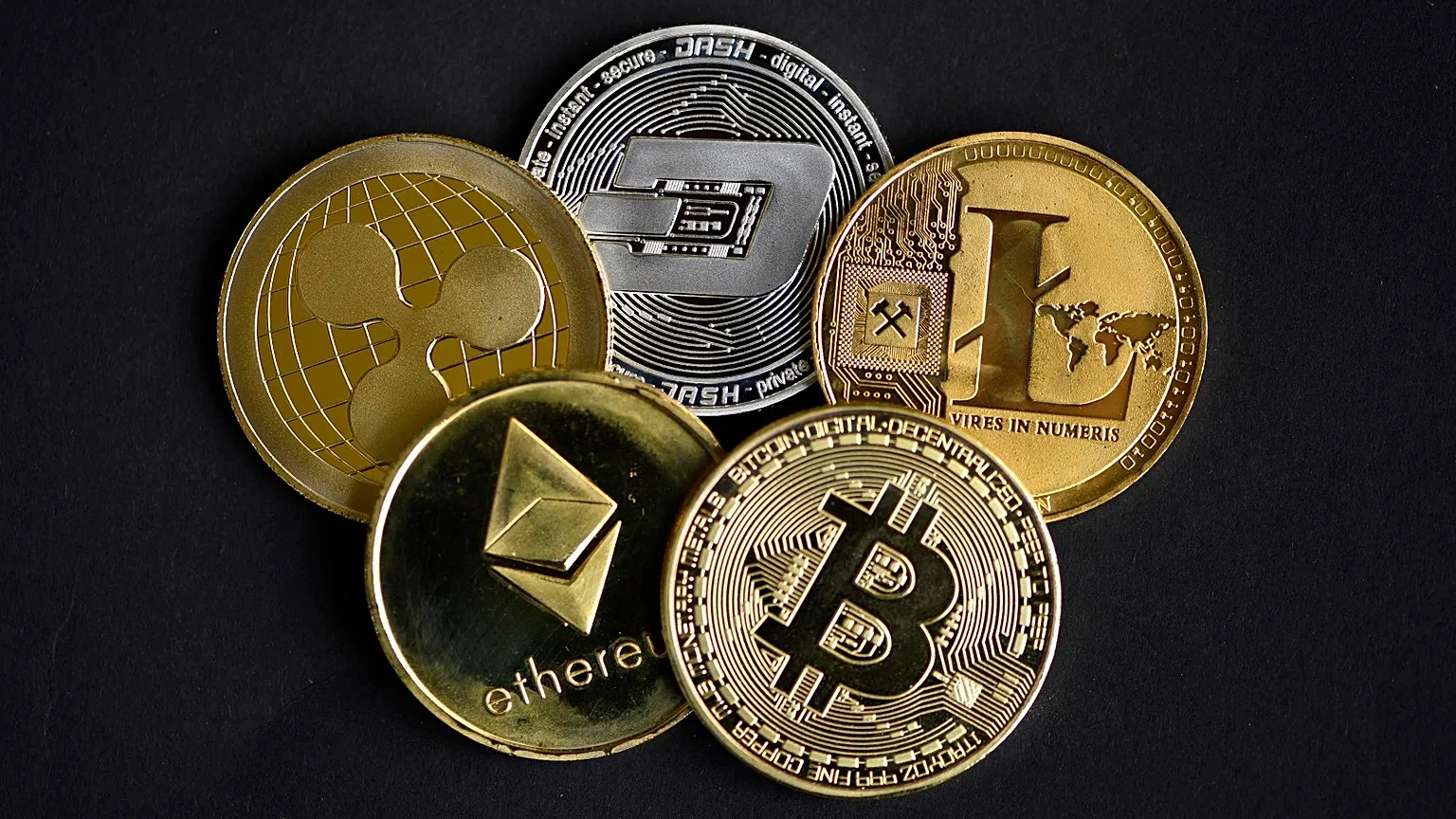
Bitcoin currently leads by a wide margin, followed by Ethereum (ETH), Tether (USDT), Binance Coin (BNB), Circle (USDC), Ripple (XRP), Solana (SOL), TRON (TRX), Hyperliquid (HYPE), and Dogecoin (DOGE).
Moreover, rankings shift with price movements and new capital flows. Consequently, any “top 10” list represents a snapshot rather than a permanent hierarchy.
Therefore, investors should focus on underlying utility and adoption trends instead of chasing temporary positions.
Which Cryptocurrencies Offer the Strongest Long-Term Fundamentals?
Bitcoin stands out for its fixed supply, institutional adoption through exchange-traded funds (ETFs), and status as digital gold.
Furthermore, Ethereum maintains leadership in smart contracts, decentralised finance (DeFi), and tokenised assets despite competition.
In addition, Solana attracts users with high throughput and low fees, while XRP benefits from payment-focused use cases and clearer regulatory positioning.
As a result, these four assets currently combine scale, liquidity, and real-world relevance more effectively than most alternatives.
In crypto, you should always remember that fundamentals matter more than short-term price momentum.
Is Bitcoin Still the Best Cryptocurrency to Buy?
Bitcoin remains the most widely held and institutionally accepted cryptocurrency.
Moreover, its dominance near 50–60% of the total market continues to reinforce its role as the primary store-of-value asset in the sector.
In addition, spot Bitcoin ETFs have expanded access for traditional investors. Consequently, many portfolios treat Bitcoin as the core holding.
Therefore, for investors seeking relative stability within cryptocurrencies, Bitcoin still occupies the top position.
Should I Invest in Ethereum or Solana?
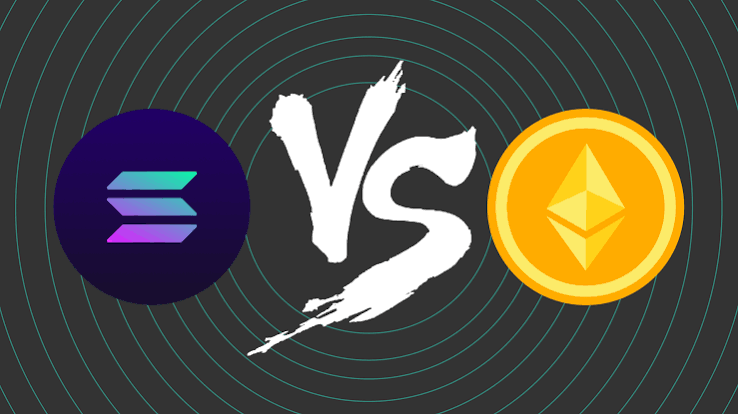
Ethereum and Solana serve overlapping yet distinct roles. Ethereum prioritises security, decentralisation, and institutional-grade settlement, while Solana emphasises speed and low transaction costs.
Furthermore, both networks continue to grow their ecosystems and attract developers.
In addition, many sophisticated investors hold exposure to both rather than choosing exclusively.
As a result, the better choice depends on whether an investor prioritises established network effects or high-performance applications.
Diversification across the two often proves more practical than an either-or decision.
Are Stablecoins like USDT and USDC Good Investments?
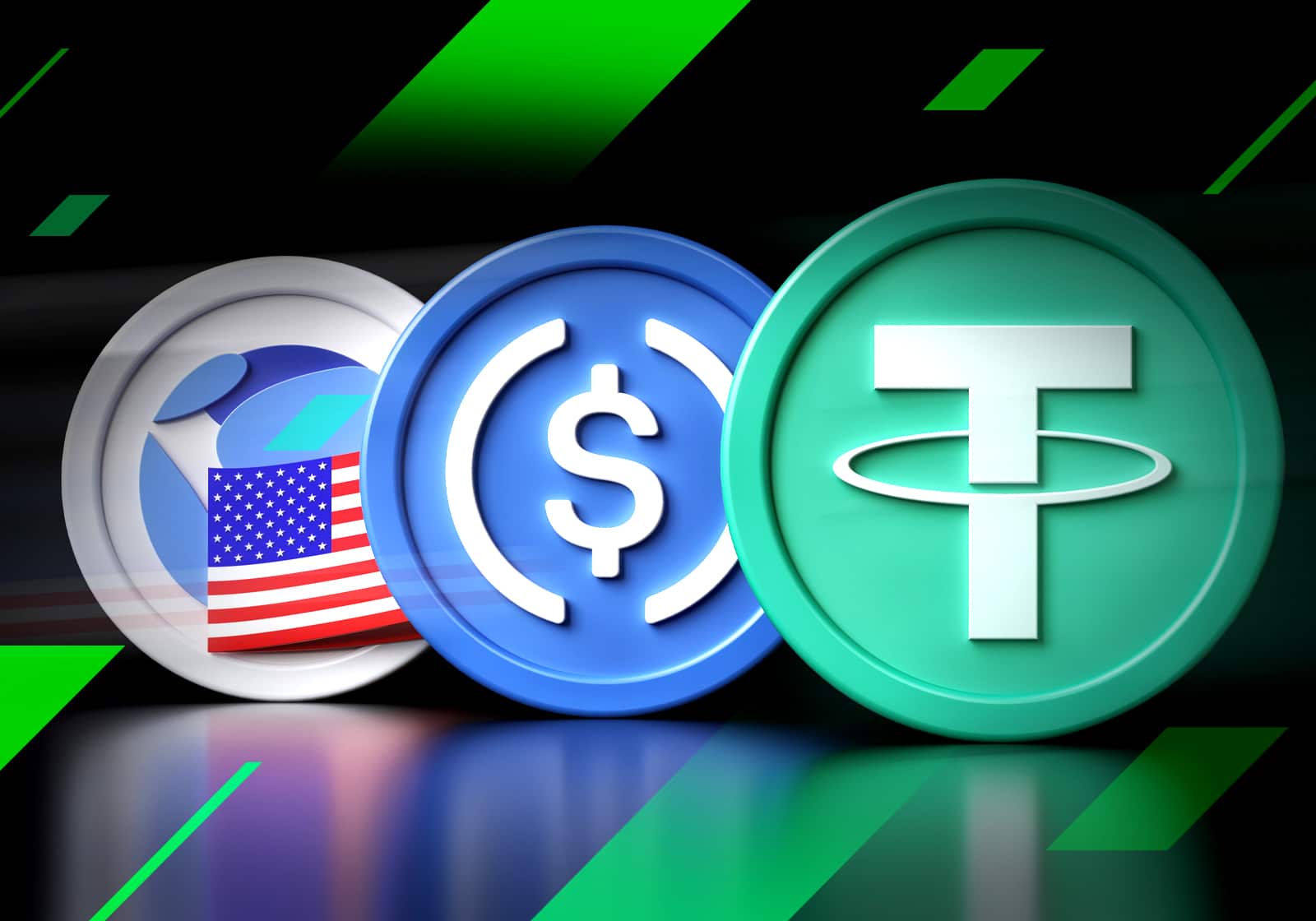
Stablecoins such as Tether and USDC prioritise price stability rather than capital appreciation.
Moreover, they serve primarily as trading pairs, settlement tools, and on-ramps within the crypto ecosystem.
In addition, their value depends on the quality of reserves and regulatory compliance.
Thus, stablecoins function better as cash equivalents than as growth investments.
Therefore, investors seeking upside typically allocate only small portions to stablecoins for liquidity purposes.
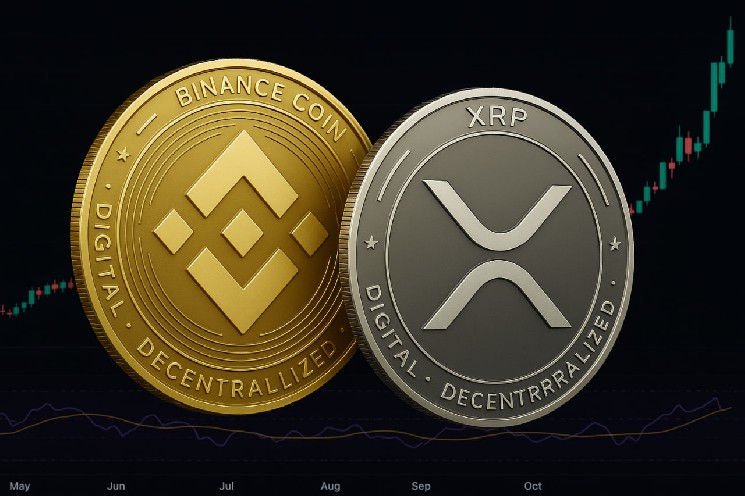
What Role Do BNB, XRP, and TRON Play In A Portfolio?
BNB derives demand from the Binance ecosystem and BNB Chain activity. XRP focuses on cross-border payments and has gained clearer institutional pathways.
TRON continues to facilitate large volumes of stablecoin transfers at low cost. Furthermore, each offers different risk-reward profiles compared with Bitcoin and Ethereum.
In addition, their performance often correlates with specific use-case adoption rather than broad market sentiment alone.
As a result, these assets can serve as satellite holdings for investors who understand their distinct drivers.

What About Newer Names Like Hyperliquid?
Hyperliquid has gained attention through its decentralized perpetual futures platform and rapid growth in trading volume.
Moreover, it represents the rising importance of on-chain derivatives infrastructure.
However, newer high-growth assets typically carry elevated volatility and execution risk.
In addition, sustainability of volume and tokenomics remains under ongoing evaluation.
Consequently, such names suit higher-risk allocations rather than core portfolio positions. Therefore, position sizing should reflect their earlier-stage status.
What Are the Biggest Risks of Investing in Top Cryptocurrencies?
Volatility remains the most immediate risk across the entire sector.
Furthermore, regulatory developments can affect access, taxation, and institutional participation.
In addition, technological risks, competition between networks, and macroeconomic conditions all influence prices.
As a result, even the largest cryptocurrencies can experience drawdowns exceeding 50%.
Ultimately, no digital asset offers guaranteed returns, and capital preservation should guide allocation decisions.
How Should Beginners Approach the Top Cryptocurrencies?
Beginners generally benefit from starting with the most liquid and established assets—primarily Bitcoin and Ethereum.
Moreover, dollar-cost averaging reduces the pressure of perfect timing. In addition, understanding custody, security practices, and personal risk tolerance matters more than chasing the highest recent gainer.
As a result, education and gradual exposure usually outperform aggressive early bets. Therefore, a simple, well-researched approach tends to serve new investors better over time.
What Factors Should Guide Final Investment Decisions?
Market rankings provide a useful starting point, yet they do not replace individual research.
Furthermore, time horizon, risk tolerance, and portfolio diversification requirements should shape every allocation.
In addition, monitoring network activity, regulatory clarity, and real usage offers better signals than price alone.
As a result, the most resilient strategies combine exposure to established leaders with selective positions in high-conviction opportunities.
Disciplined process outperforms short-term speculation for most participants.
Cryptocurrencies in the current top tier offer varying combinations of scarcity, utility, and adoption.
Bitcoin and Ethereum continue to anchor most serious portfolios, while Solana, XRP, and select ecosystem tokens provide additional avenues for growth.
Investors who prioritise liquidity, security, and clear use cases generally navigate the market more effectively than those driven purely by rankings or recent performance.
Ongoing research and realistic expectations remain essential in this evolving asset class.
