

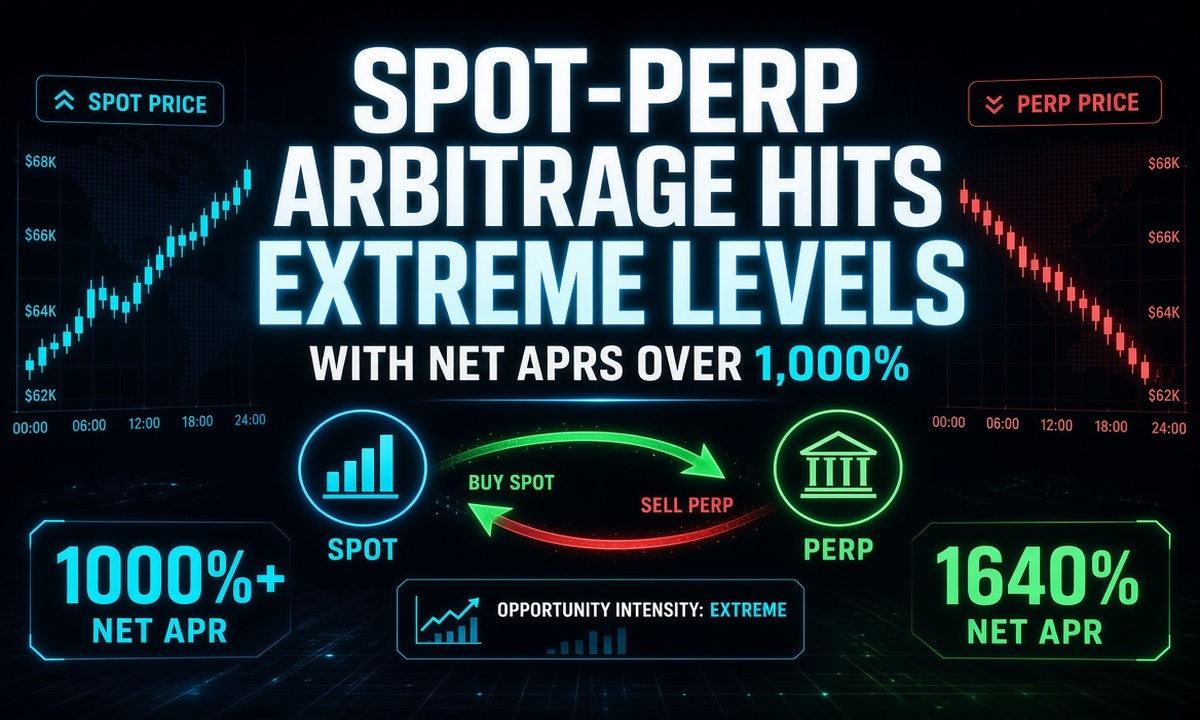
Traders monitoring perpetual futures markets just spotted something unusual in the spot-perp arbitrage market.
Spot-perp arbitrage gaps have widened dramatically, creating net annualised percentage rates that top 1,000% on several pairs.
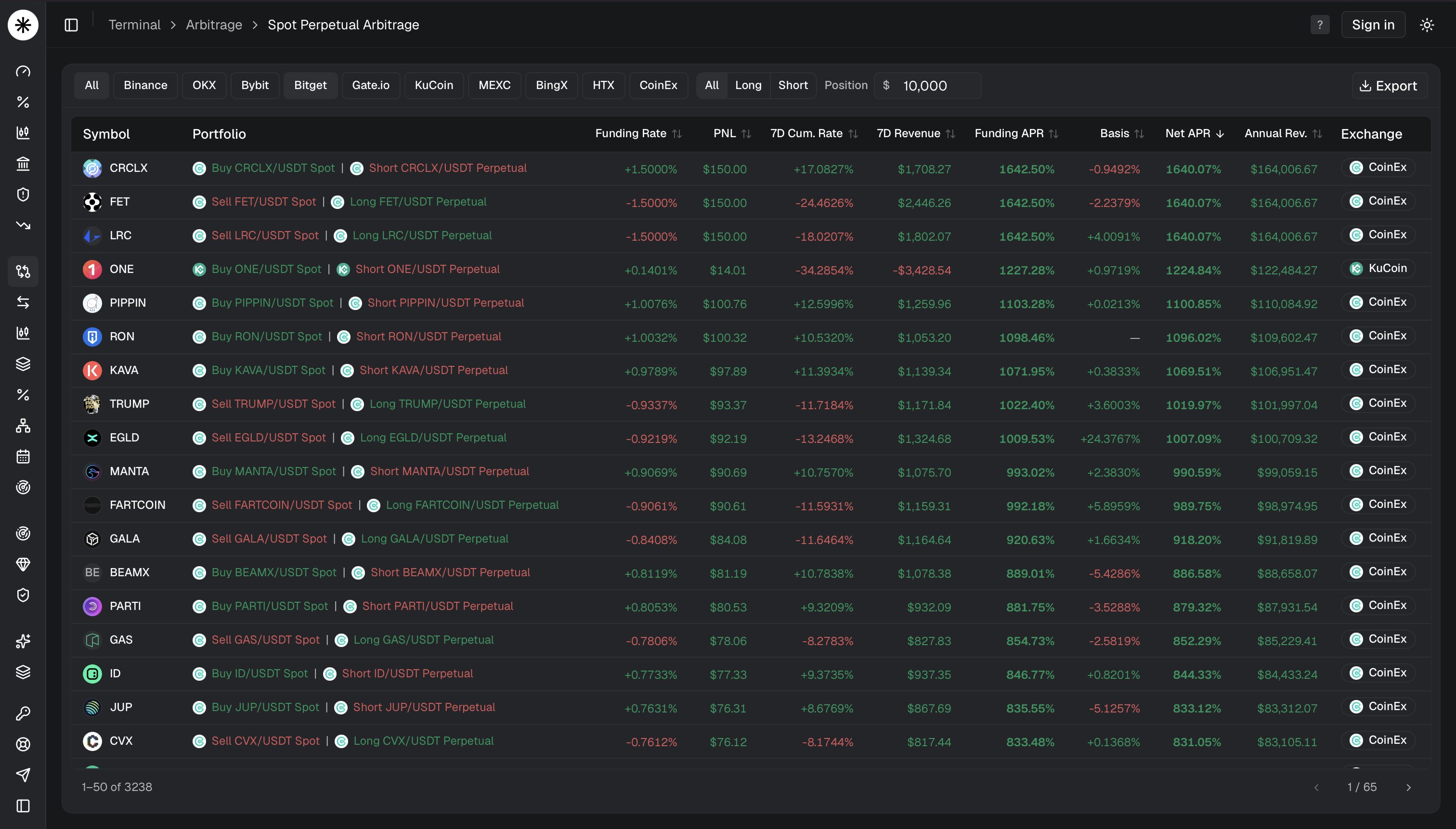
Sharpe Labs highlighted the scale of these opportunities in a recent post, listing extreme figures across multiple assets.
What Exactly Is Spot-Perp Arbitrage?
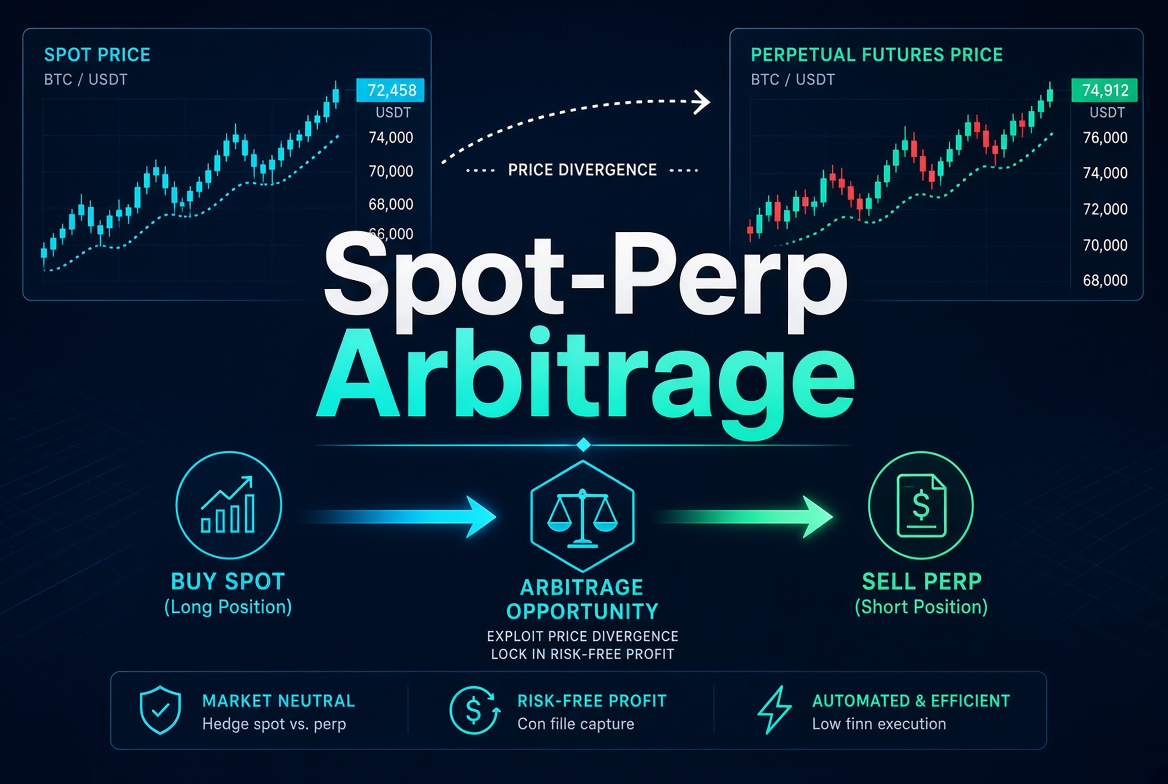
Spot-perp arbitrage involves buying the asset in the spot market while shorting the perpetual futures contract, or the reverse, to capture the funding rate difference.
When funding rates become heavily skewed, the annualised yield can turn extraordinary.
In this case, several pairs showed net annual percentage rates (APRs) of 1,640%, while others such as ONE printed around 1,225%. Further names in the top ten also exceeded 900%.
A closer look shows these gaps appear when perpetual markets price in aggressive positioning that diverges from the underlying spot price.
Spot-Perp Arbitrage: Why Have These Rates Climbed So High?
Market conditions have created temporary imbalances. Elevated open interest on certain perpetual venues, combined with directional crowding, pushes funding rates far from neutral.
Meanwhile, spot markets remain relatively stable, leaving the funding differential wide open for capture.
Beyond that, thinner liquidity on newer or less-traded pairs amplifies the effect. Traders who monitor cross-exchange funding tables can identify these windows quickly before they close.
How Do Traders Capture the Opportunity?
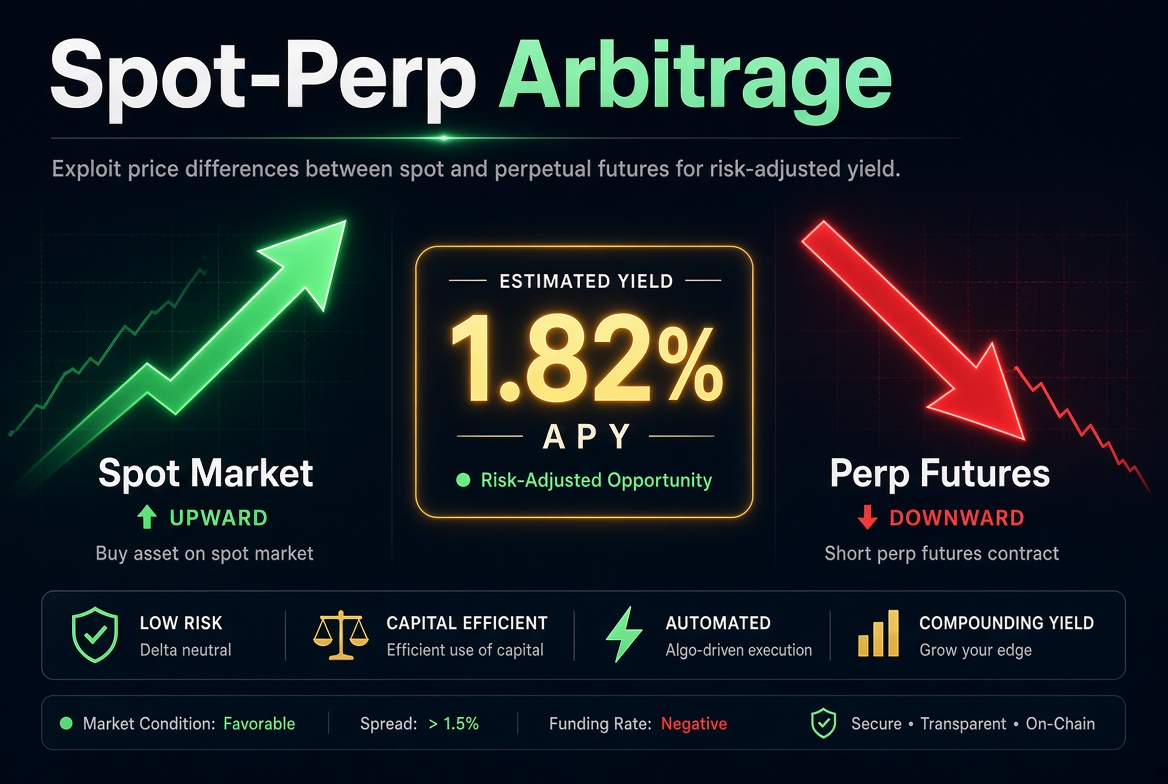
The basic approach stays straightforward. A trader holds the spot asset and shorts the perpetual (or the opposite direction) so that funding payments flow in their favour.
In addition, they must manage margin, borrow costs, and execution fees carefully.
What’s more, position sizing matters because extreme rates rarely last long.
Notably, many desks now use automated tools to scan dozens of pairs simultaneously and execute the trade once the net APR crosses a chosen threshold.
What Risks Should Traders Watch?
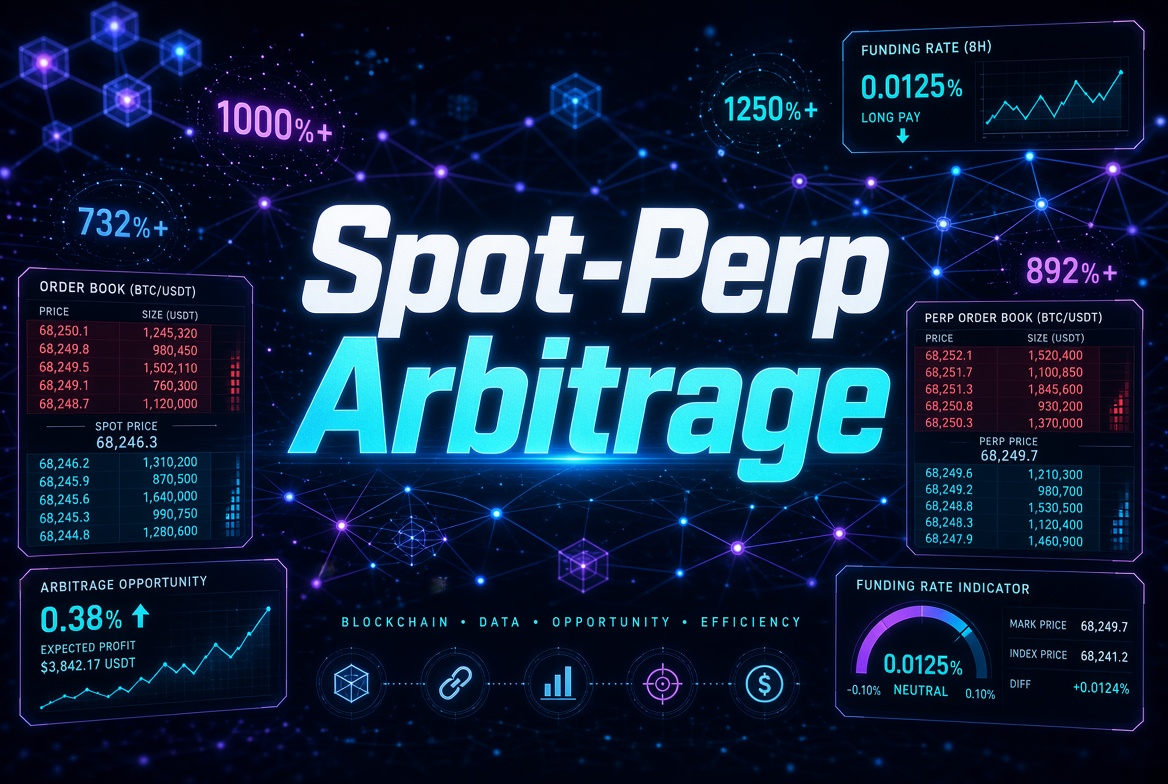
Even attractive numbers carry clear risks. Funding rates can reverse without warning.
Liquidation risk rises if the perpetual moves sharply against the position. At the same time, exchange fees and borrowing costs can erode the theoretical yield.
Further, some pairs with the highest printed APRs sit on thinner books, increasing slippage.
Traders who ignore these factors often find the real return far lower than the headline figure.
Frequently Asked Questions About Spot-Perp Arbitrage
Is a 1,000%+ APR realistic to capture?
Only for short windows. Extreme rates tend to normalise once enough capital enters the trade.
Which pairs currently show the strongest spreads?
Recent scans listed several Solana-based tokens, ONE, and a handful of other mid-cap names at the top of the ranking.
Do I need high leverage to profit?
No, the strategy works with moderate leverage, though higher capital improves efficiency after fees.
How long do these opportunities usually last?
It normally lasts hours rather than days so continuous monitoring remains essential.
Extreme funding gaps of this size appear infrequently. When they surface, they reward traders who already have systems ready to act.
The current environment offers a clear reminder that perpetual markets can still deliver outsized, short-lived yields for those prepared to manage the associated risks carefully.
