

Crypto traders actively seek high-return opportunities as the market evolves rapidly. Staking rewards for Proof-of-Stake (PoS) tokens have declined sharply, and NFTs no longer deliver the explosive gains they once promised. Thus, many investors now turn to derivatives like options and futures. These instruments offer leverage, hedging, and profit potential in both rising and falling markets.
Traders who master them position themselves strongly for the second half of 2026.
Why Traditional Crypto Strategies Lose Appeal
Staking once provided steady passive income through high annual percentage yields (APYs). However, increased network participation and protocol adjustments have pushed yields lower, making it less attractive for aggressive growth seekers.
Similarly, the NFT market has matured but cooled from its 2021-2022 hype. While utility-driven NFTs in gaming, memberships, and real-world assets show promise, monthly trading volumes remain far below peak levels, and speculative flips yield inconsistent results.
Investors therefore shift focus. Derivatives trading now dominates, accounting for 70-75% of total crypto volume. This dominance reflects the market’s demand for sophisticated tools that capitalise on volatility.

Understanding Crypto Futures Trading Including Options
Futures contracts obligate traders to buy or sell an asset at a predetermined price on a future date. In crypto, perpetual futures stand out because they lack expiration dates. Traders use them to go long or short with high leverage, often 10x to 100x on major platforms.
Key Benefits Traders Enjoy Today:
- Capital Efficiency: Control large positions with small margins.
- Hedging Power: Protect spot holdings during downturns.
- 24/7 Liquidity: Trade around the clock in a global market.
Moreover, platforms like Binance, OKX, Bybit, and regulated U.S. options such as Chicago Mercantile Exchange (CME) and Coinbase Derivatives provide robust access. Funding rates add another dynamic layer, rewarding traders who align with market sentiment.
How Crypto Options Differ and Complement Futures
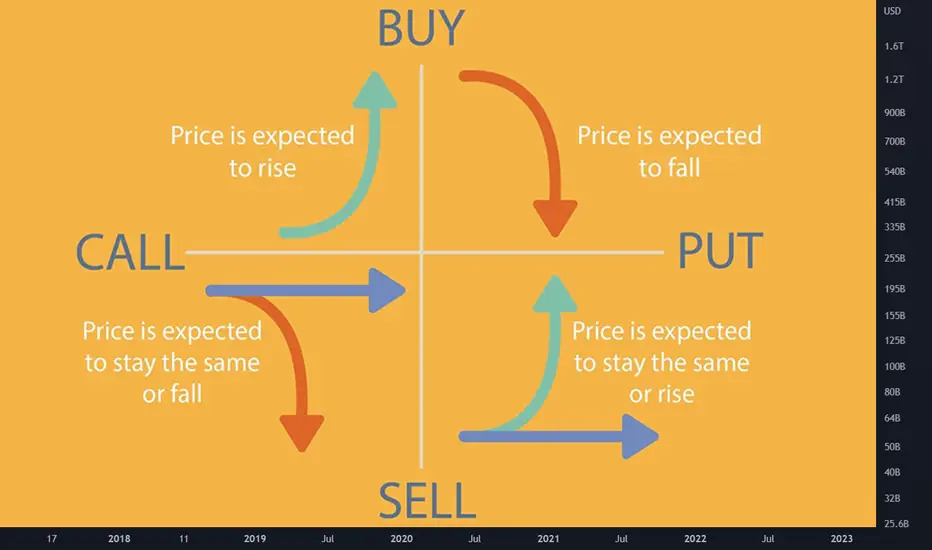
Options grant the right—but not the obligation—to buy (call) or sell (put) crypto at a strike price before expiration. This asymmetry limits downside to the premium paid, which appeals to risk-conscious traders.
Traders actively combine both tools. For instance, they buy futures for directional bets and options for protective strategies or volatility plays.
In H2 2026, with expected institutional inflows and macro events, options volumes will likely surge as participants hedge exchange-traded funds (ETFs) exposures and altcoin swings.
Top Strategies for H2 2026 Success
Experienced traders deploy several proven approaches:
1. Trend Following with Perpetuals. Identify momentum using technical analysis and ride trends with leveraged futures. Additionally, monitor open interest and funding rates for confirmation.
2. Volatility Trading via Options. Buy straddles or strangles ahead of major events like halvings, regulatory news, or economic data releases. This strategy profits regardless of direction when volatility spikes.
3. Hedging Spot Portfolios. Hold long-term BTC or ETH but purchase put options to guard against crashes. Thus, you sleep better while maintaining upside exposure.
4. Basis and Arbitrage Plays. Exploit price differences between spot, futures, and perpetuals across exchanges for lower-risk gains.
Platforms continue innovating with micro contracts and advanced APIs, lowering barriers for retail participants.
Essential Risks Traders Must Manage
Derivatives amplify both gains and losses. High leverage can lead to rapid liquidations during flash crashes.
Furthermore, funding rates erode positions in sideways markets, and options expire worthless if predictions miss the mark.
Smart risk management remains non-negotiable. Successful traders always:
- Use stop-losses and position sizing.
- Diversify across assets and strategies.
- Stay informed on regulations, especially in tightening U.S. and global frameworks.
- Never risk more than 1-2% of capital per trade.
Education and practice on demo accounts build the discipline needed for consistent results.
Choosing the Right Platform in 2026
Top exchanges offer competitive features. Binance and OKX lead in liquidity and altcoin pairs. Kraken and Coinbase appeal to compliance-focused U.S. traders.
New entrants and acquisitions, such as Coinbase’s move into derivatives, signal maturing infrastructure.
Evaluate fees, security, withdrawal speeds, and available leverage before committing funds.
The Road Ahead for Crypto Derivatives
Derivatives will likely remain the engine of crypto trading volume through H2 2026 and beyond.
Prediction markets, AI-integrated tools, and real-world asset tokenization create fresh opportunities for options and futures users. Moreover, institutional adoption drives deeper liquidity and tighter spreads.
However, success demands continuous learning. Markets evolve quickly, so traders who adapt strategies and manage emotions thrive.
Are Options the Way to Go in the Second Half of 2026?
Options and futures trading certainly emerge as compelling paths for ambitious crypto participants in H2 2026.
They deliver flexibility and profit potential that staking and NFTs currently struggle to match. Yet they suit active, informed traders willing to embrace volatility and risk.
Start small, educate relentlessly, and treat trading like a business. With discipline, these tools can generate substantial gains while you navigate the dynamic decentralised finance landscape.
