


Bitcoin miner revenue surged to unprecedented heights in the third quarter of the year (Q3 2025). This marked a pivotal moment for the cryptocurrency mining industry.
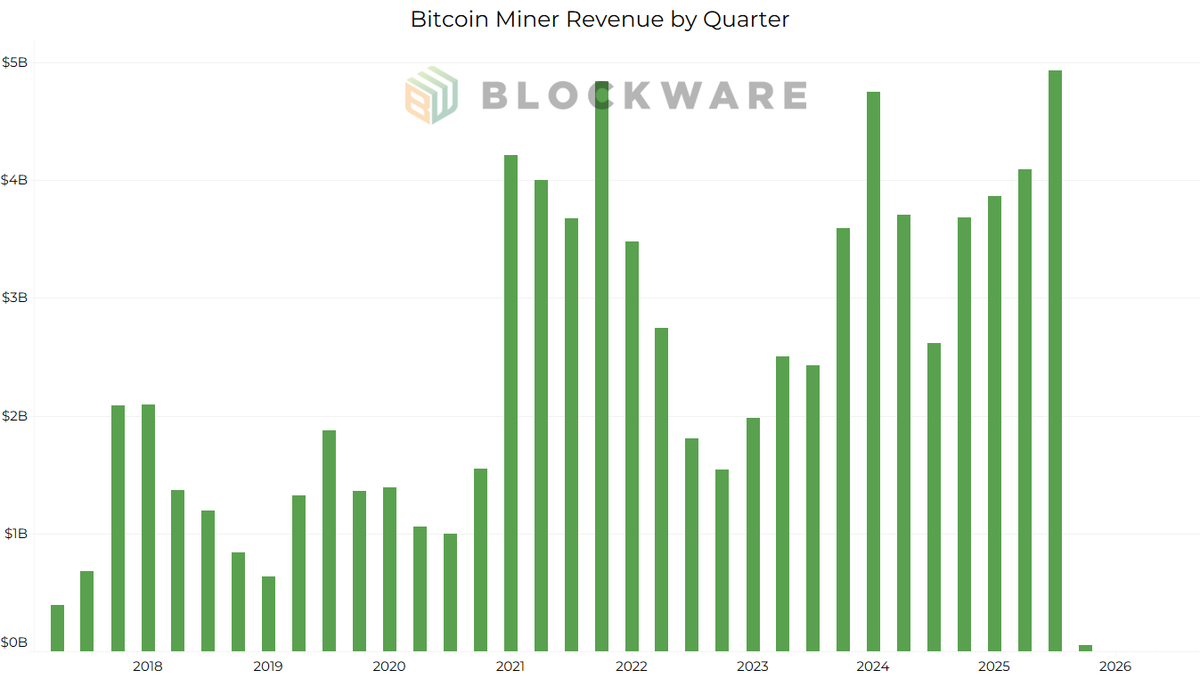
Miners collectively generated $4.94 billion during the July-September period. This showcases robust growth amid rising Bitcoin prices and operational efficiencies.
This figure outpaced previous quarters and highlighted the sector’s resilience post the 2024 Bitcoin halving event.
As investors and enthusiasts seek clarity on what drives these numbers, this article reviews the details. It offers a comprehensive analysis optimised for both search engines and answer engines.
Whether you’re a seasoned crypto trader or a newcomer exploring Bitcoin mining, you’ll find actionable insights here.
Quarterly Breakdown: How Bitcoin Miner Revenue Stacked Up in 2025
Bitcoin miners actively boosted their earnings throughout 2025, with Q3 emerging as the standout period. Specifically, the $4.94 billion in Q3 revenue represented a 21% increase from Q2’s $4.09 billion and a 28% jump over Q1’s $3.86 billion.
These sequential gains demonstrate how miners adapted to market dynamics. They capitalised on higher transaction fees and block rewards, despite the halving’s impact on supply.
Moreover, this quarterly performance shows a broader recovery trend. For instance, miners navigated the initial post-halving challenges in Q1 and Q2 by optimising energy use and upgrading hardware.
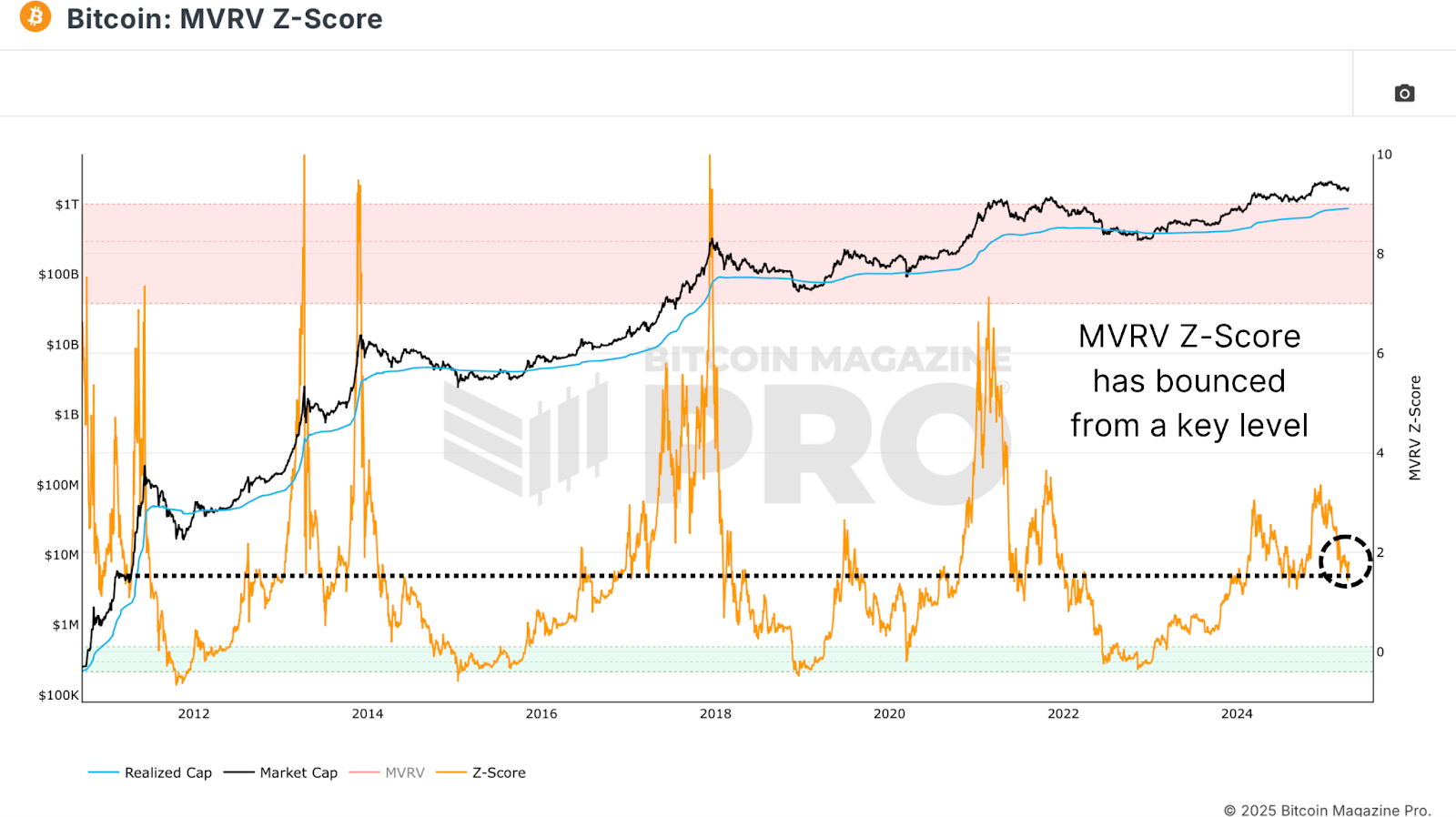
As a result, revenue climbed steadily, with Q3 benefiting from a Bitcoin price rally that peaked at around $124,533 in mid-August. This price surge directly amplified miner payouts, as revenue primarily stems from newly minted Bitcoins and network fees.
Year-Over-Year Growth: An 87% Surge Signals Industry Maturity
Transitioning to a longer view, Bitcoin miner revenue in Q3 2025 soared 87% above the $2.62 billion recorded in Q3 2024.
This dramatic rise illustrates the industry’s evolution from a niche activity to a mainstream economic force.
Back in 2024, miners grappled with lower Bitcoin valuations and more competition, but 2025 brought renewed vigour through institutional adoption and technological advancements.
Additionally, this year-over-year (YoY) growth positions Q3 2025 as the highest-grossing quarter in Bitcoin mining history.
Factors like the global hash rate reaching a peak of 943 EH/s earlier in the year contributed significantly, as more computational power secured the network while distributing rewards more efficiently among top players.
Thus, established miners reaped outsized benefits, reinforcing the sector’s consolidation.
Key Factors Driving the Bitcoin Miner Revenue Boom in 2025
Several elements propelled this revenue explosion, starting with Bitcoin’s price appreciation. The cryptocurrency hit record highs, surging to $122,838 in July and maintaining momentum through Q3.
This phenomenon was fuelled by strong demand and institutional inflows. Lower central bank interest rates also played a role, encouraging investments in risk assets like Bitcoin.
Furthermore, operational efficiencies transformed the landscape. Miners focused on reducing energy costs—a critical factor since electricity accounts for up to 70% of expenses.
Companies adopted advanced application-specific integrated circuits (ASIC) hardware and sustainable energy sources, such as solar and hydroelectric power, to maintain profitability.
Regulatory environments improved too, with clearer guidelines in key markets like the United States (US), attracting more capital.
AI-driven pivots added another layer, as some miners repurposed infrastructure for AI computing, diversifying revenue streams.
Market volatility, while challenging, ultimately favours miners during bullish phases, with transaction fees spiking amid high network activity.
Spotlight on Major Players: Company-Specific Revenue Highlights
Leading firms exemplified this growth trajectory. CleanSpark, for example, reported $198.6 million in Bitcoin mining revenue for Q3 2025, a 91% increase year-over-year, pushing its BTC treasury beyond $1 billion. Similarly, IREN achieved $141.2 million, up 24% from Q2, blending mining with AI cloud services.
Canaan forecasted $125-145 million for the quarter, driven by a 359% surge in home miner sales. These examples show how innovative strategies, from hardware sales to diversified operations, amplified overall Bitcoin miner revenue.
Implications for the Broader Bitcoin Ecosystem
This revenue milestone impacts the entire ecosystem profoundly. Higher earnings entitle miners to invest in network security, potentially stabilising Bitcoin’s volatility. However, increased competition could squeeze smaller operators, leading to further industry consolidation.
On the flip side, robust revenue signals growing institutional confidence, with Bitcoin exchange-traded funds (ETFs) seeing $55 billion in inflows year-to-date (YTD) through Q3. This influx supports price stability and attracts more retail participants, fostering a virtuous cycle.
Future Outlook: What Lies Ahead for Bitcoin Miner Revenue?
Looking forward, analysts predict continued growth, but with some challenges.
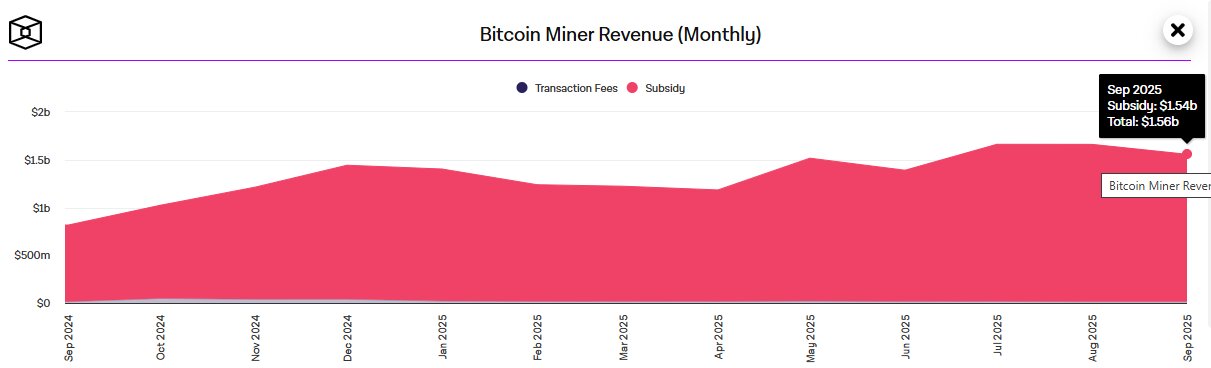
If BTC sustains above $122,000, revenue could target new highs in Q4 2025, potentially reaching $5–6 billion quarterly.
Yet, rising energy costs and potential regulatory shifts remain risks.
Miners must thus put efficiency and diversification first.
With hash rate projected to grow further, those adapting to AI and sustainable practices will thrive.
In summary, Q3 2025’s Bitcoin miner revenue sets a benchmark and paves the way for a more mature, profitable industry.
