

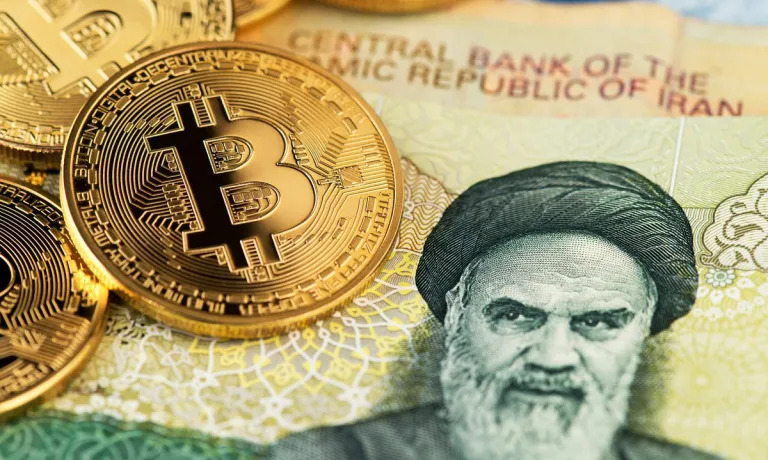
Iran crypto outflows surge dramatically, reaching up to 700% in some analytics, as U.S.-Israel airstrikes target Tehran.
Investors rush to withdraw millions from local exchanges amid escalating uncertainty.
Thus, this rapid capital flight highlights crypto’s role in crisis hedging.
Timeline of the Geopolitical Trigger
U.S. and Israeli forces launch coordinated airstrikes on February 28, 2026, striking key Iranian sites. Iran responds with missile barrages, intensifying regional tensions. As a result, traditional markets plummet, but crypto users act swiftly.
Within minutes of the first strikes, outflows from Iran’s largest exchange, Nobitex, spike 700%.
Furthermore, on-chain data reveals hourly withdrawals approaching $2 million, far exceeding 2026 averages.

Key Data: $10.3 Million Exits Iranian Exchanges
Blockchain firms like Chainalysis track approximately $10.3 million in crypto leaving Iranian platforms between February 28 and March 2.
Elliptic reports similar surges, with funds flowing to overseas wallets and stablecoins.
Moreover, Nobitex, serving over 11 million users and handling $7.2 billion in transactions last year, experiences the bulk of this exodus.
Analysts note that Bitcoin and stablecoins dominate these transfers, as users seek to preserve value.
Historical Patterns: Crypto as a Crisis Hedge in Iran
Iranians increasingly turn to crypto during turmoil. Past events, like anti-government protests and Israel clashes, drive similar spikes.
The Iranian rial depreciates sharply amid high inflation, making fiat unreliable. Therefore, digital assets emerge as alternatives for remittances and wealth storage.
However, sanctions complicate matters; many use virtual private networks (VPNs) and peer-to-peer (P2P) trades to bypass restrictions.
Implications for Global Crypto Markets
This surge influences broader trends. Bitcoin surges above $71,000 globally, partly due to its perceived safe-haven status.
Nevertheless, it raises compliance concerns for international exchanges receiving Iranian funds.
Regulators monitor for money laundering, urging enhanced KYC (Know Your Customer) procedures to verify the identities of clients and prevent illicit activities.
As a result, firms strengthen screening to avoid sanctions violations.
Economic Context: Iran’s Struggling Financial Landscape
Iran’s economy faces collapse risks from ongoing conflicts. Oil prices spike, but domestic instability accelerates capital outflows.
In addition, rumours of leadership changes, like Supreme Leader Ali Khamenei’s reported death, fuel panic.
Crypto provides a borderless escape, yet volatility adds layers of risk.

Future Outlook: Will Outflows Continue?
Experts predict sustained outflows if tensions persist. De-escalation could stabilise flows, but prolonged conflict might amplify them.
Investors watch U.S. policies closely, as pro-crypto shifts could ease global integrations.
Ultimately, this event shows crypto’s dual nature: a tool for freedom amid chaos, yet a challenge for regulation.
In summary, Iran’s crypto outflows surge reveals deeper vulnerabilities, positioning digital assets as vital lifelines in uncertain times.
