

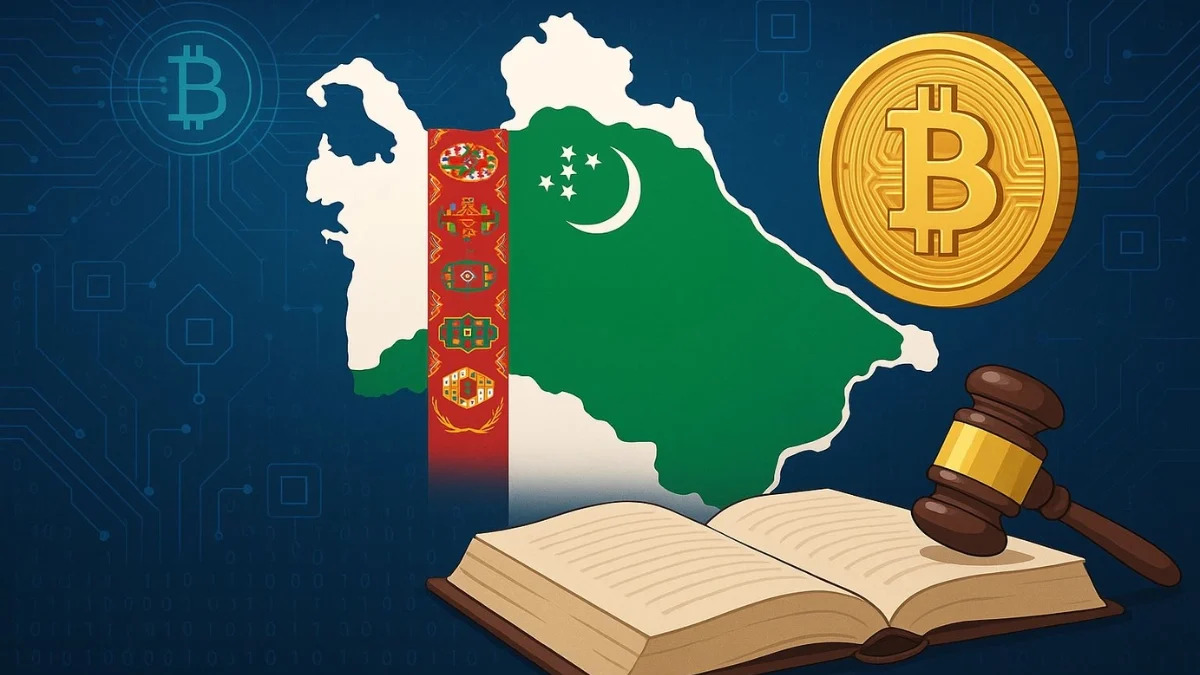
Turkmenistan Crypto has shed light on a nation cloaked in mystery, where vast deserts meet endless natural gas reserves, suddenly flipping the script on digital innovation.
That’s Turkmenistan in 2026, boldly stepping into the crypto arena. As the world kicks off a new year, Turkmenistan crypto emerges as a hot topic, blending economic ambition with cutting-edge tech.
This shift legalises cryptocurrency activities and positions the country as an unexpected player in the global blockchain game.
Whether you’re a miner eyeing cheap energy or an investor scouting fresh markets, Turkmenistan crypto promises intrigue and opportunity.
This article analyses this exciting development step by step.
The Historic Legalisation of Turkmenistan Crypto
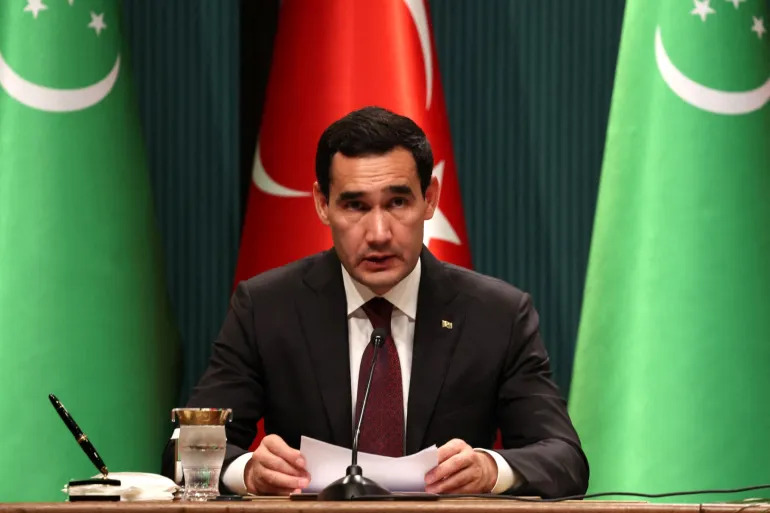
President Serdar Berdimuhamedov ignited a revolution when he signed the “Law on Virtual Assets” back in November 2025.
However, the real fireworks began on January 1, 2026, when the law officially kicked in, legalising crypto mining and exchanges across the landlocked Central Asian powerhouse.
This move shatters Turkmenistan’s image as one of the world’s most isolated economies, where internet access remains tightly controlled and foreign influences are minimal.
Suddenly, blockchain enthusiasts worldwide become excited, wondering if this could become the next crypto haven.
Furthermore, the law classifies cryptocurrencies as “digital property” under civil code, allowing individuals and businesses to own, mine, and trade them legally.
For a country that once banned crypto outright, this U-turn feels like a plot twist in a spy thriller.
Yet, it aligns perfectly with global trends where nations race to harness digital assets for growth.
Breaking Down the New Turkmenistan Crypto Rules
Diving deeper, the regulations demand strict oversight from the Central Bank of Turkmenistan.
Miners and exchange operators must secure licenses; implement robust anti-money laundering (AML) protocols, and keep most assets in cold storage for security.
In addition, regular reporting ensures transparency, preventing any Wild West scenarios.
However, here’s the catch: crypto cannot serve as payment, legal tender, or securities.
You won’t buy anything with Bitcoin anytime soon. Instead, the focus stays on holding, mining, and trading, creating a controlled environment that balances innovation with caution.
For example, unlicensed operations face swift bans, highlighting the government’s iron grip.
Moreover, this framework draws inspiration from neighbouring Kazakhstan, which boomed in mining after China’s 2021 crackdown.
Turkmenistan crypto enthusiasts can now legally plug into global networks, but only through approved channels.
Why Turkmenistan Jumped on the Crypto Bandwagon
Turkmenistan boasts some of the planet’s cheapest electricity, thanks to its massive natural gas reserves—the fourth largest globally.
Miners crave low-cost power, like desert travellers seek oases, making the country a prime spot for energy-intensive Bitcoin operations.
Additionally, with gas exports to China dominating the economy, diversification becomes crucial amid fluctuating commodity prices.
The action also seeks to attract tech talent and foreign investment, which could lessen the country’s isolation.
Picture international firms setting up mining farms in the Karakum Desert, turning sand into silicon gold!
This strategy mirrors Iran’s recent pivot to crypto for evading sanctions, showing how geopolitics fuels digital adoption.
In essence, Turkmenistan crypto isn’t just about coins—it’s about economic survival and global relevance.
Golden Opportunities for Miners in Turkmenistan Crypto
With electricity costs hovering at pennies per kilowatt-hour, Turkmenistan offers a competitive edge over power-hungry spots like the U.S. or Europe.
Imagine rigs humming efficiently, churning out hashes without breaking the bank.
Moreover, the new law creates opportunities for joint ventures that combine local energy with international expertise.
For instance, sustainable mining could thrive here, using excess gas flares to power operations—turning waste into wealth.
Early adopters might snag prime licenses, positioning them as pioneers in this untapped market.
However, success hinges on navigating bureaucracy, so partnering with locals proves essential.
Navigating Challenges in the Turkmenistan Virtual Assets Landscape
However, each opportunity comes with its own set of challenges. Turkmenistan’s authoritarian regime means heavy surveillance, potentially deterring privacy-focused crypto purists.
Internet restrictions could hamper real-time trading, and the ban on crypto payments limits everyday utility.
Additionally, global volatility poses risks—Bitcoin’s 8% dip in 2025 reminds us of the market’s wild rides.
For newcomers, understanding local customs and regulations demands patience. Nevertheless, these hurdles create niches for savvy players who adapt quickly.
The Global Ripple Effects of Crypto Legalisation
On the world stage, this legalisation boosts Central Asia’s cryptographic profile, potentially shifting hash rates from overregulated regions.
It echoes broader trends, like the UK’s crackdown on tax evasion or U.S. pushes for stablecoin laws.
Furthermore, it inspires isolated nations to explore blockchain, fostering a more inclusive digital economy.
For example, Ethereum’s Vitalik Buterin urges decentralisation, which could influence Turkmenistan’s evolving framework.
Overall, this move signals crypto’s unstoppable march, even into the most unexpected corners.
The Future of Turkmenistan and its Crypto Legislation
As 2026 unfolds, watch for mining farms sprouting like mirages in the desert. Innovations in green energy integration could set benchmarks, while international partnerships amplify growth.
However, sustained success requires balancing control with freedom to attract top talent.
In conclusion, Turkmenistan crypto transforms a reclusive nation into a dynamic contender.
Bitcoin miners’ revenue was down towards the end of 2025. Who knows, the latest development could help boost miner revenue for several institutional companies in 2026 and beyond.

1 Comment
wish you best and best