

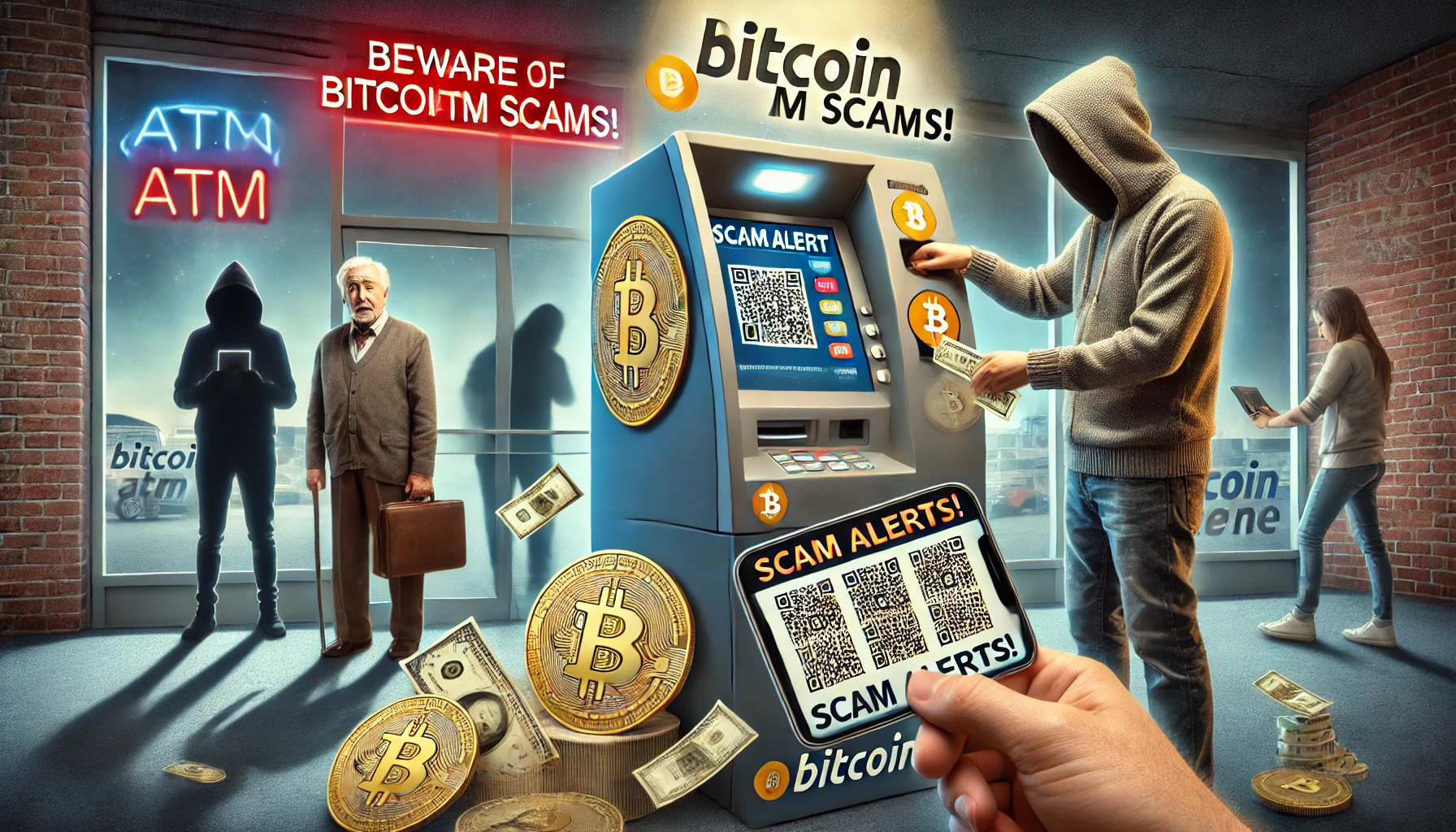
Bitcoin ATM frauds surge as cybercriminals exploit the convenience of cryptocurrency kiosks, turning quick cash conversions into devastating financial traps.
Scammers actively target unsuspecting individuals, often through urgent phone calls or emails that demand immediate action.
However, understanding these schemes empowers you to stay protected.
This comprehensive guide explains the mechanics of Bitcoin ATM frauds, reveals shocking statistics, and provides actionable prevention tips.
Moreover, it equips you with knowledge to navigate this growing threat of Bitcoin ATM frauds in 2026 and beyond.
What Exactly Are Bitcoin ATMs?
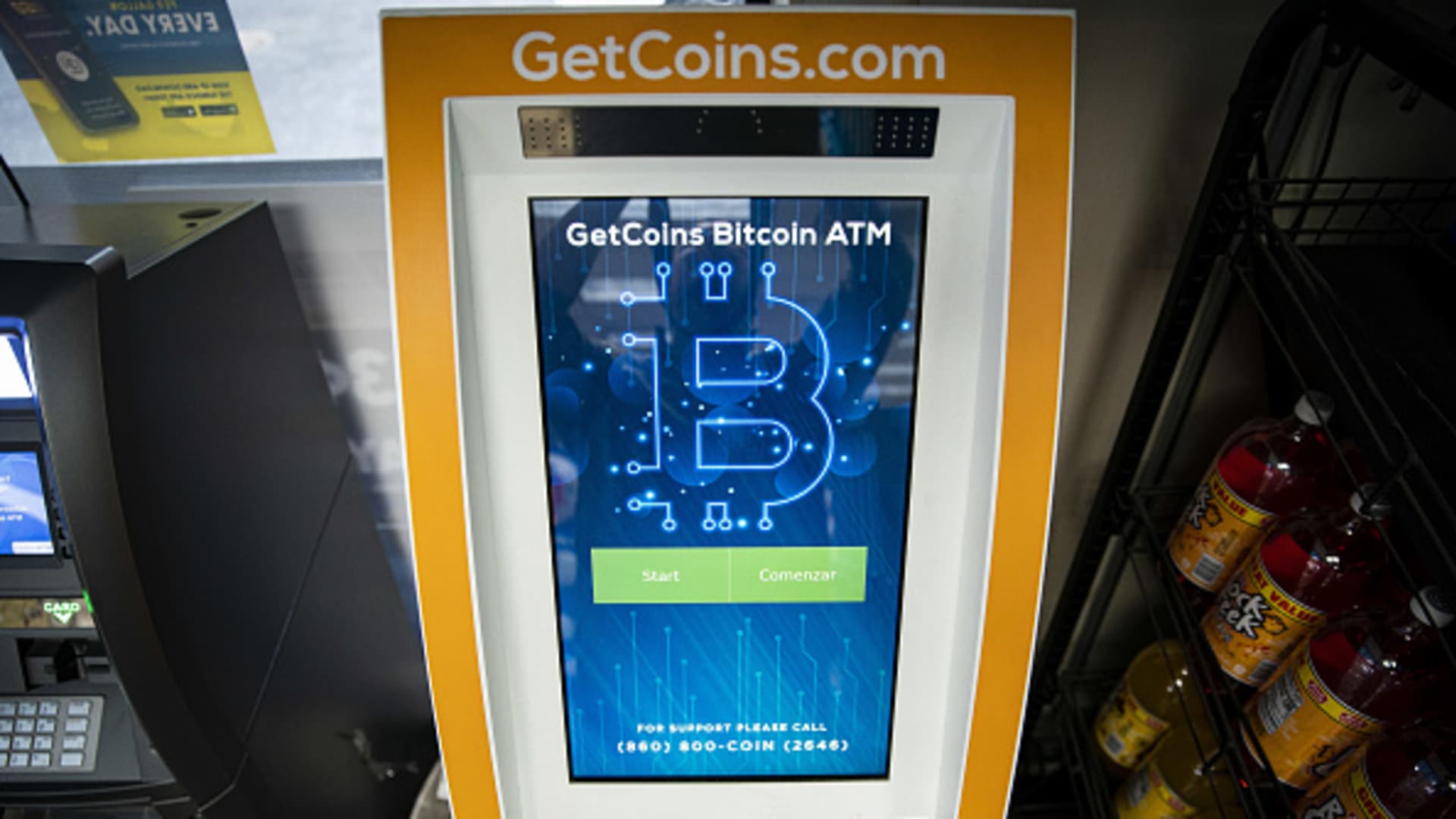
Bitcoin ATMs, also known as crypto kiosks, function like traditional cash machines but for digital currencies.
Users insert cash, scan a QR code, and purchase Bitcoin or other cryptocurrencies directly.
These machines dot convenience stores, malls, and gas stations across the U.S., offering anonymity and speed.
Scammers adore them because transactions occur irreversibly—once you send crypto, recovery becomes nearly impossible.
Additionally, the machines convert physical cash into digital assets swiftly, allowing fraudsters to launder funds globally without trace.
Alarming Rise in Bitcoin ATM Fraud Statistics for 2025
Fraudsters conned Americans out of over $333 million through Bitcoin ATM scams from January to November 2025, marking a sharp increase from approximately $250 million in 2024.
The Federal Bureau of Investigation (FBI) actively tracks these incidents, noting that losses skyrocketed as scammers refined their tactics.
For instance, reports to the Internet Crime Complaint Center jumped 99% year-over-year in some metrics.
Furthermore, the median loss per victim hovers around $497, but many cases exceed thousands, especially among older adults, whom scammers frequently prey upon.
These figures show how Bitcoin ATMs evolved into a “preferred method” for cybercriminals, fuelled by a nationwide alert from authorities.
Common Types of Bitcoin ATM Scams You Must Know
Scammers deploy various ruses to lure victims to these machines. Impersonation scams lead the pack, where fraudsters pose as government officials, utility companies, or law enforcement.
They claim you owe fines or taxes and insist on Bitcoin payments to avoid arrest.
Investment frauds closely follow, offering exorbitant returns on cryptocurrency ventures that necessitate initial deposits through ATMs.
Romance scams also thrive, with online “partners” fabricating emergencies to coax money transfers.
Additionally, extortion schemes involve threats of exposing personal data unless victims comply.
In each case, scammers exploit fear and urgency to drive action.
How Bitcoin ATM Scams Typically Unfold Step by Step
Fraudsters initiate contact through unsolicited calls, texts, or emails, often spoofing legitimate numbers.
They weave a compelling story—perhaps your account faces hacking, or a loved one needs bail.
Next, they help you withdraw cash from your bank.
Then, they provide a QR code or wallet address, directing you to the nearest Bitcoin ATM.
You scan the code, insert bills, and purchase crypto, which instantly transfers to the scammer’s anonymous wallet.
Moreover, some scams use phishing to steal your details beforehand, amplifying the damage.
This process unfolds rapidly, leaving victims penniless in minutes.
Red Flags That Signal a Potential ATM Fraud
Spotting warning signs prevents disasters. Unsolicited demands for payment in cryptocurrency are clear indicators of a scam, as no legitimate entity would make such a request. Pressure to act immediately without verification triggers alarms.
Scammers often forbid discussing the issue with others, isolating you. Fake QR codes that direct funds elsewhere serve as another clue.
Additionally, promises of refunds or bonuses after payment indicate fraud. If the story involves “protecting” your money by converting it to Bitcoin, halt everything—these tactics manipulate trust.
Proven Strategies to Avoid this Fraud Effectively
You protect yourself by verifying claims independently. Contact the supposed authority using official numbers, not those provided by the caller.
Educate yourself on crypto basics; use Bitcoin ATMs only for personal, unpressured transactions. Install security software to block phishing attempts.
Additionally, please report any suspicious contacts to the FTC or FBI without delay. Join community alerts through banks or apps that flag emerging scams.
Therefore, staying vigilant transforms potential victims into informed defenders.
What to Do If You Fall Victim to a Bitcoin ATM Scam
Act swiftly if scammed. Report to local police, the FBI’s Internet Crime Complaint Center, and your bank for possible reimbursements.
Provide all details, including transaction IDs and scammer communications. Seek support from consumer protection agencies like the FTC.
Additionally, monitor your accounts for further breaches. Recovery remains challenging due to crypto’s irreversibility, but early reporting aids investigations and prevents others’ losses.
Emerging Trends and Regulations in Bitcoin ATM Security
Authorities ramp up efforts as scams escalate. In 2025, enhanced kiosk regulations mandated better user warnings and transaction limits.
Looking ahead, blockchain analytics could trace funds more effectively.
However, scammers adapt quickly, incorporating AI for sophisticated phishing.
Therefore, ongoing education and tech advancements will shape safer crypto ecosystems.
Wrapping Up: Empower Yourself against Bitcoin ATM Frauds
Bitcoin ATM frauds devastate lives, but knowledge serves as your shield.
Scammers thrive on ignorance and haste, yet you thwart them with caution and verification.
As crypto adoption grows, so does the need for vigilance. Implement these insights today, share them widely, and contribute to a fraud-free future.
Remember, if it sounds too urgent to be true, it probably is—pause, assess, and protect your hard-earned money.
