


Dogecoin enthusiasts erupted in cheers on October 20, 2025, as House of Doge, the commercial powerhouse behind the iconic memecoin, snapped up a majority stake in Italy’s historic U.S. Triestina Calcio 1918.
This groundbreaking deal catapults Dogecoin from online memes to real-world stadiums, blending blockchain innovation with the passion of football.
Moreover, it sparks thrilling questions: How does this turbocharge Dogecoin’s value?
What ripples will it send through the memecoin world?
And could this herald a wave of crypto tycoons owning sports empires?
Let’s dive in and explore this electrifying fusion of digital assets and global sports.
The Historic Deal: Dogecoin Has Gone from Meme to Majority Owner
House of Doge boldly acquired controlling interest in Triestina through its subsidiary Dogecoin Ventures, partnering with Brag House Holdings for a seamless public structure.
Triestina, founded in 1918 and a Serie A pioneer, now languishes in Serie C.
However, the House of Doge injects immediate capital to revitalise operations, scout talent, and foster community ties in Trieste.
Excitingly, fans will soon pay for tickets, snacks, and merchandise using Dogecoin at the 24,500-seat Stadio Nereo Rocco, turning matchdays into crypto playgrounds.
Elevating Dogecoin’s Utility and Adoption
This move supercharges Dogecoin’s real-world utility like never before. Originally a 2013 joke coin featuring the Shiba Inu meme, Dogecoin now demonstrates practical payments in a high-visibility arena.
As CEO Marco Margiotta declares, it connects Dogecoin’s global community with European football’s storied legacy, proving digital assets drive tangible value.
Thus, DOGE holders gain new spending avenues, potentially spiking transaction volumes and network activity.
Moreover, integrations with partners like Robinhood and 21Shares for yield products amplify this momentum, positioning Dogecoin as a versatile currency beyond speculation.
Market Reactions: The DOGE Price Holds Steady amid Buzz
Investors watched closely as Dogecoin’s price ticked slightly upward post-announcement, stabilising around $0.19 support levels.
While not a massive surge, the deal injects optimism, with analysts eyeing bullish targets up to $0.86.
On X (formerly Twitter), reactions exploded—users like @lil_disruptor hailed it “from memes to matchdays,” while @houseofdoge’s official post garnered thousands of engagements, fuelling community hype.
However, broader market pressures from institutional de-risking tempered gains, yet this sports foray could sustain long-term upward pressure by attracting non-crypto fans.
Shaking Up the Memecoin Sector: From Jokes to Juggernauts
The acquisition electrifies the memecoin sector, often dismissed as volatile hype machines.
Dogecoin, the original memecoin, now showcases how community-driven tokens evolve into legitimate economic forces.
This enhances credibility, drawing institutional eyes—recall the recent 280 million Dogecoins from CleanCore Solutions.
As a result, rivals like Shiba Inu or Pepe might pursue similar real-world integrations to compete.
Furthermore, it highlights memecoins’ potential for cultural tokenisation, where fan engagement via non-fungible tokens (NFTs) or tokenised shares could redefine ownership, boosting sector-wide adoption and market caps.
Legitimacy Boost: Memecoins Go Mainstream
Critics once scoffed at memecoins’ lack of utility, but this deal flips the script. House of Doge proves that memecoins fund and innovate in traditional industries, potentially attracting regulators’ favour amid growing legitimacy.
For instance, SPAR Switzerland’s DOGE payments add to this narrative. Thus, the sector could see reduced volatility as utility narratives dominate, enticing risk-averse investors.
Excitingly, this positions memecoins as bridges between Web3 and everyday life, from sports to retail.
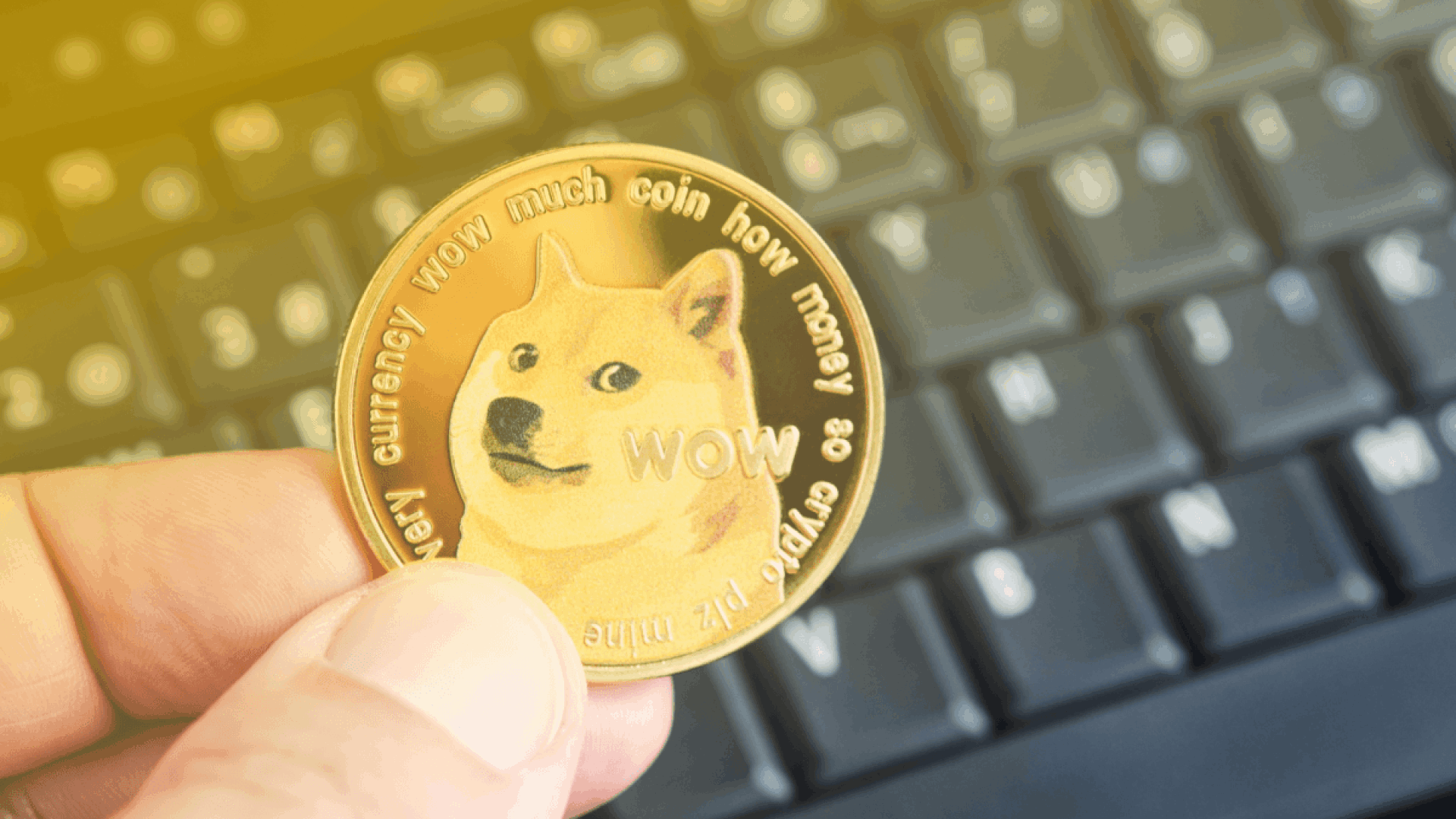
The Dogecoin Crypto-Sports Crossover: A Growing Trend?
Crypto’s flirtation with sports isn’t new—think sponsorships like Tether with Juventus or fan tokens from Chiliz. Yet, outright ownership marks a bold escalation.
Watford FC’s tokenised equity experiments and the blockchain’s role in fan ownership hint at more to come.
As blockchain enables fractional ownership and transparent governance, expect wealthy crypto projects to eye clubs worldwide.
Future Outlook: Will Crypto Moguls Like That of Dogecoin Dominate Sports Ownership?
Absolutely—this could ignite a rush. Imagine Solana-backed NBA teams or Ethereum funds owning Premier League sides. With crypto markets maturing, projects flush with billions seek diversification.
However, challenges loom: regulatory hurdles in Europe and financial scrutiny for struggling clubs like Triestina.
Nevertheless, success here could inspire copycats, democratising sports ownership through tokens.
As one X user quipped, “Doge isn’t staying online anymore—it’s stepping into the real world.”
Challenges Ahead: Navigating the Pitch
Despite the excitement, risks persist. Triestina’s bottom-table woes demand smart management, and crypto volatility could scare traditional fans.
Moreover, integrating payments requires user-friendly tech to avoid glitches. Yet, opportunities abound—global exposure via matches could onboard millions to Dogecoin, amplifying its cultural footprint.
A New Dawn for Crypto and Sports
In conclusion, House of Doge’s Triestina takeover isn’t just a purchase; it revolutionises Dogecoin by embedding it in daily life, elevates memecoins’ stature, and paves the way for cryptocurrency’s sports invasion.
As communities unite across borders, this deal promises thrills on and off the field.
Will Dogecoin lead the charge to $1?
Only time will tell, but one thing’s certain: the game has changed forever.
Stay tuned—this is just the kickoff!
